
Introduction
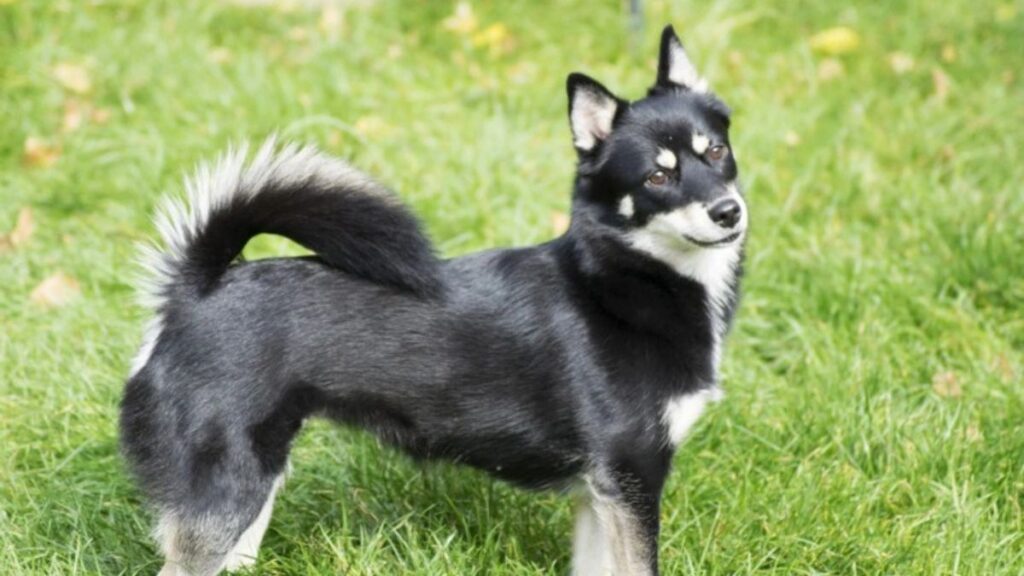
The Pomerusky is one of the most eye-catching designer dog breeds gaining popularity among pet lovers. Known for its fluffy coat, energetic personality, and adorable appearance, the Pomerusky combines traits from the Pomeranian and the Siberian Husky. This unique mix creates a companion dog that often looks like a miniature Husky while maintaining the charm and compact size associated with smaller breeds.
Many families are drawn to this hybrid because of its intelligence, playful behavior, and striking looks. However, owning one requires understanding its needs, temperament, grooming requirements, and health considerations.
This comprehensive guide covers everything prospective owners should know before bringing a Pomerusky home.
What Is a Pomerusky?
A Pomerusky is a mixed-breed dog created by crossing a Pomeranian with a Siberian Husky. The goal is to produce a smaller dog that inherits the beautiful appearance of a Husky along with the compact size and affectionate nature of a Pomeranian.
Quick Definition
Featured Snippet Answer:
A Pomerusky is a hybrid dog breed resulting from a Pomeranian and Siberian Husky mix. It is known for its fluffy coat, intelligent personality, playful nature, and compact size compared to a full-sized Husky.
Origin of the Breed
Designer dog breeds have become increasingly popular over the last two decades. The Pomerusky emerged as breeders sought to combine the visual appeal of Huskies with the smaller size preferred by many urban pet owners.
Although relatively new, the breed has quickly gained a loyal following worldwide.
Pomerusky Appearance and Physical Characteristics
The appearance of a Pomerusky can vary significantly because mixed-breed puppies inherit different traits from each parent.
Typical Physical Features
- Thick double coat
- Fox-like face
- Husky-style markings
- Pointed ears
- Curled or fluffy tail
- Compact but athletic body
Size Comparison Table
| Characteristic | Small Pomerusky | Medium Pomerusky | Large Pomerusky |
|---|---|---|---|
| Weight | 10–15 lbs | 15–25 lbs | 25–35 lbs |
| Height | 10–12 inches | 12–15 inches | 15–18 inches |
| Energy Level | Moderate | High | High |
| Apartment Suitability | Excellent | Good | Moderate |
Coat Colors
Pomeruskies can display a wide variety of coat colors, including:
- Black and white
- Gray and white
- Cream
- Brown
- Red
- Sable
- Blue merle
Their coat patterns often resemble those of Siberian Huskies, making them especially attractive.
Pomerusky Temperament and Personality
One of the biggest reasons people choose this breed is its engaging personality.
Friendly and Affectionate
Most Pomeruskies enjoy spending time with family members and often develop strong bonds with their owners. They typically seek attention and enjoy participating in household activities.
Intelligent and Curious
Since both parent breeds are intelligent, this mix tends to learn quickly. They often excel in:
- Obedience training
- Puzzle games
- Agility exercises
- Interactive play
Energetic Nature
Despite their smaller size, many Pomeruskies have substantial energy levels. Daily activity helps prevent boredom and destructive behavior.
Family Compatibility
| Household Type | Compatibility |
|---|---|
| Singles | Excellent |
| Couples | Excellent |
| Families with Children | Good |
| Seniors | Moderate |
| Active Households | Excellent |
| First-Time Dog Owners | Good |
Pomerusky Care Requirements
Proper care contributes significantly to a dog’s health and happiness.
Nutrition
High-quality dog food should be selected according to age, size, and activity level.
Feeding Guidelines
- Puppies require multiple small meals daily.
- Adults typically eat twice per day.
- Fresh water should always be available.
- Avoid excessive treats.
Exercise Needs
Most adult Pomeruskies benefit from:
- Daily walks
- Play sessions
- Mental stimulation activities
- Basic training exercises
A lack of exercise can lead to unwanted behaviors such as chewing or excessive barking.
Living Environment
Although adaptable, they thrive in homes where they receive regular interaction and activity.
They can live in apartments if their exercise needs are consistently met.
Grooming and Coat Maintenance
The fluffy coat is one of the breed’s most attractive features, but it requires ongoing maintenance.
Brushing Schedule
Most owners should brush their dog:
- Three to five times per week
- Daily during heavy shedding seasons
Bathing
Bathing every few months is usually sufficient unless the dog becomes particularly dirty.
Grooming Checklist
| Grooming Task | Recommended Frequency |
|---|---|
| Brushing | 3–5 times weekly |
| Nail Trimming | Every 3–4 weeks |
| Ear Cleaning | Weekly |
| Teeth Brushing | Several times weekly |
| Bathing | Every 6–8 weeks |
Regular grooming not only improves appearance but also helps identify skin issues early.
Training a Pomerusky Successfully
Training should begin as early as possible.
Why Early Training Matters
Early socialization helps puppies become comfortable around:
- Children
- Other dogs
- New environments
- Visitors
Effective Training Techniques
Positive Reinforcement
Reward-based training is highly effective with this breed.
Rewards may include:
- Treats
- Praise
- Toys
- Playtime
Consistency Is Key
Use the same commands and expectations throughout training.
Common Commands to Teach
- Sit
- Stay
- Come
- Leave it
- Down
- Heel
Short, engaging training sessions often produce better results than lengthy lessons.
Common Health Concerns
Like all breeds, the Pomerusky may be susceptible to certain health conditions.
Potential Health Issues
- Dental problems
- Eye disorders
- Hip dysplasia
- Luxating patella
- Allergies
- Obesity
Health Monitoring Framework
| Health Area | What to Watch For |
|---|---|
| Teeth | Bad breath, tartar |
| Eyes | Redness, discharge |
| Joints | Limping, stiffness |
| Weight | Excessive weight gain |
| Skin | Itching, irritation |
Veterinary Care
Routine veterinary visits help detect health concerns before they become serious.
Annual wellness exams, vaccinations, and preventive treatments should remain a priority.
Pros and Cons of Owning a Pomerusky
Pros
- Attractive appearance
- Intelligent and trainable
- Loyal companion
- Suitable for many living situations
- Energetic and playful
- Often good with families
Cons
- Regular grooming required
- Can be vocal
- May experience separation anxiety
- Exercise needs can be demanding
- Shedding can be significant
Understanding both advantages and challenges helps owners make informed decisions.
Common Mistakes New Owners Make
Many first-time owners underestimate the breed’s needs.
1. Skipping Early Socialization
Poor socialization can contribute to fearfulness and behavioral issues.
2. Neglecting Mental Stimulation
These dogs are smart and require activities that challenge their minds.
3. Overfeeding
Small dogs can gain weight quickly if portion sizes are not controlled.
4. Inconsistent Training
Mixed messages often confuse dogs and slow learning progress.
5. Ignoring Grooming Needs
Regular brushing prevents matting and reduces excessive shedding.
Best Practices for Raising a Happy Pomerusky
Following proven care strategies can improve your dog’s quality of life.
Establish a Routine
Dogs generally thrive on predictable schedules.
Encourage Daily Activity
Combine physical exercise with mental enrichment.
Focus on Social Experiences
Expose your dog to:
- Different environments
- Friendly people
- Various sounds
- Other pets
Prioritize Preventive Healthcare
Stay current with:
- Vaccinations
- Parasite prevention
- Dental care
- Annual examinations
Use Positive Reinforcement
Reward desired behaviors consistently for the best training results.
Is a Pomerusky Right for You?
The answer depends largely on your lifestyle.
A Pomerusky may be an excellent fit if you:
- Enjoy active companionship
- Have time for grooming
- Appreciate training and interaction
- Want a smaller dog with a Husky-like appearance
However, people seeking a low-maintenance pet may find the breed’s exercise and grooming needs challenging.
Careful evaluation before adoption helps ensure a successful match between owner and pet.
Conclusion
The Pomerusky combines intelligence, beauty, affection, and energy into one unforgettable companion. While every dog inherits a unique combination of traits, most share a playful personality, strong family bonds, and a desire for regular activity.
Potential owners should prepare for grooming responsibilities, consistent training, and ongoing engagement. In return, they often gain a loyal and entertaining companion that brings enthusiasm and affection into everyday life.
With proper care, nutrition, socialization, and veterinary support, a Pomerusky can become a cherished member of the family for many years.
FAQs
1. How big does a Pomerusky get?
Most Pomeruskies weigh between 10 and 35 pounds and stand approximately 10 to 18 inches tall.
2. Are Pomeruskies good family dogs?
Yes. Many Pomeruskies are affectionate, playful, and suitable for families when properly socialized.
3. Do Pomeruskies shed a lot?
Yes. Their thick double coat can shed heavily, especially during seasonal coat changes.
4. How much exercise does a Pomerusky need?
Most require at least 30–60 minutes of daily activity, along with mental stimulation.
5. Are Pomeruskies easy to train?
Generally yes. They are intelligent dogs that respond well to consistent positive reinforcement training.