
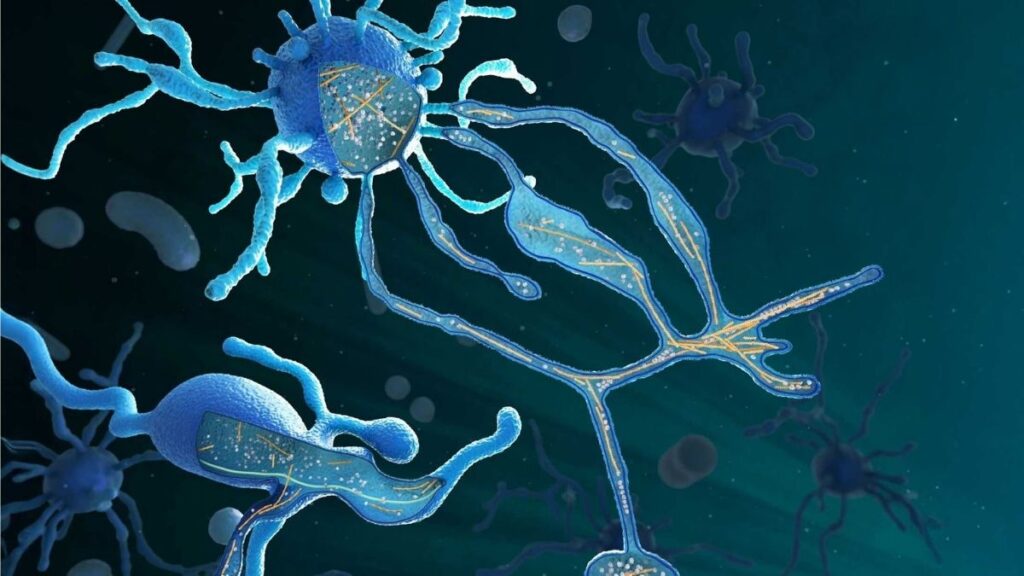
Introduction to Cellulogia
Welcome to the captivating realm of cellulogia, where the building blocks of life come alive. Have you ever wondered how our bodies function at a microscopic level? Cells are not just tiny dots under a microscope; they are dynamic entities that play vital roles in everything we do. From healing wounds to fighting off infections, understanding cells can transform our approach to health and medicine.
In this exploration of cellulogia, we’ll dive deep into the many facets of cells—how they communicate, their diverse functions, and even the groundbreaking research shaping our future. Prepare to uncover the extraordinary world that exists within us and discover why these minute structures matter so much in our daily lives. Let’s embark on this fascinating journey together!
The Importance of Cells in Our Bodies
Cells are the building blocks of life. They form the structure of our bodies and perform essential functions that keep us alive.
Each cell plays a specific role, whether it’s transporting oxygen, fighting off infections, or producing energy. Without these tiny powerhouses, our organs would fail to function.
The human body contains trillions of cells, each specialized for its task. Muscle cells contract to enable movement; nerve cells transmit signals throughout the body; blood cells deliver vital nutrients and oxygen.
Cells also adapt to changes in their environment. This remarkable ability allows them to respond to injuries or illnesses quickly and efficiently.
Understanding how these microscopic units work opens up new avenues for medical advancements. By unlocking their secrets, we can improve health outcomes and enhance quality of life tremendously.
Different Types of Cells and Their Functions
Cells come in various shapes and sizes, each tailored for specific functions. Red blood cells, for example, are uniquely designed to transport oxygen throughout the body. Their biconcave shape increases surface area for efficient gas exchange.
On the other hand, neurons serve as communication hubs. They transmit signals across long distances in the body using electrical impulses. This ability is crucial for everything from reflexes to complex decision-making.
Muscle cells are another fascinating type. They contract and relax to produce movement, whether it’s a simple twitch or an intricate dance routine. Each muscle cell type—skeletal, cardiac, or smooth—has distinct features that support its role.
Then there are epithelial cells lining our organs and skin. These protective barriers play a vital role in absorption and secretion processes while safeguarding against external threats. Each cell type contributes intricately to our overall health and function within this remarkable biological tapestry known as cellulogia.
Cell Communication: How Cells Work Together
Cell communication is a remarkable process that allows cells to coordinate their actions. They use chemical signals, such as hormones and neurotransmitters, to send messages across the body.
These signals bind to specific receptors on target cells. This interaction initiates various responses, from growth and immune reactions to metabolic changes.
Cells also communicate through direct contact. Gap junctions connect neighboring cells, enabling them to share ions and small molecules instantly. This synchronicity is vital for functions like muscle contractions.
Moreover, cell signaling can influence behavior on a larger scale. During development, cells relay information about their position in an organism. This ensures proper organization of tissues.
Understanding how these interactions work opens doors for advancements in medicine and biotechnology. Unlocking the secrets of cellular dialogue could lead to innovative treatments for diseases where communication breaks down.
The Role of Stem Cells in Regeneration and Healing
Stem cells are often hailed as the body’s repair system. They possess a unique ability to transform into various cell types, making them essential for regeneration and healing.
When tissues get damaged, stem cells spring into action. They migrate to the site of injury and begin their work—differentiating into specialized cells that help restore function. This regenerative capability is vital in conditions such as spinal cord injuries or heart disease.
The research surrounding stem cells has grown immensely. Scientists are exploring ways to harness this potential for therapies that could heal chronic wounds or even restore lost organs.
With every breakthrough, hope blossoms for patients facing severe ailments. The promise of stem cell therapy lies not just in treatment but also in understanding how our bodies can naturally heal themselves over time.
Cellular Diseases and Disorders
Cellular diseases and disorders arise when cells malfunction or become damaged. These issues can stem from genetic mutations, environmental factors, or infections.
One prominent example is cancer, where cell growth spirals out of control. Tumors form as these rogue cells evade the body’s regulatory mechanisms.
On another front, autoimmune diseases occur when the immune system mistakenly attacks healthy cells. Conditions like lupus and rheumatoid arthritis illustrate how delicate cellular balance is.
Neurological disorders also highlight cellular dysfunction. Alzheimer’s disease disrupts communication between brain cells, leading to memory loss and cognitive decline.
The study of these conditions reveals much about our biology and offers insights into potential treatments. Understanding how cells behave in both health and disease opens doors for innovative therapies that could change lives.
Modern Advances in Cell Research
Modern advances in cell research are reshaping our understanding of biology. Techniques like CRISPR-Cas9 have revolutionized gene editing. Scientists can now precisely alter DNA sequences, opening doors to targeted therapies for genetic disorders.
Stem cell research is another frontier gaining momentum. These versatile cells hold potential for treating a variety of conditions, from spinal cord injuries to degenerative diseases.
Moreover, imaging technologies have improved significantly. Researchers can visualize live cells in real-time, observing cellular processes as they happen. This insight helps elucidate how cells communicate and respond to their environment.
Collaborations across disciplines are also on the rise, combining insights from genetics, bioengineering, and artificial intelligence. Such interdisciplinary approaches foster innovation and accelerate discoveries that were once thought impossible.
As we delve deeper into cellulogia, it’s exciting to think about the transformative impact these advancements may have on medicine and health care in the near future.
Ethical Concerns Surrounding Cell Manipulation
The world of cellulogia presents exciting possibilities. However, it also raises significant ethical dilemmas.
One major concern is the manipulation of stem cells. The potential for creating or modifying life forms can be both awe-inspiring and daunting. Questions about playing God arise frequently in these discussions.
Another issue revolves around consent, particularly when using human cells in research. Ensuring that donors fully understand how their cells may be utilized is crucial for ethical integrity.
Moreover, there are worries regarding inequality in access to cell-based therapies. If only a privileged few can benefit from advanced treatments, societal divides could deepen further.
Genetic editing technologies like CRISPR spark debates over unintended consequences and long-term effects on ecosystems and humanity itself. Balancing innovation with moral responsibility remains a pressing challenge within the field of cellulogia.
Future Possibilities and Implications of Cell Technology
The future of cellulogia holds immense potential for transformation in medicine and beyond. Imagine a world where diseases are not just treated but prevented at the cellular level. Advances in gene editing technologies, like CRISPR, pave the way for targeted therapies that could eradicate genetic disorders before they manifest.
Tissue engineering is another exciting frontier. Scientists are developing lab-grown organs that may one day eliminate transplant waiting lists. This innovation could save countless lives by providing patients with viable options tailored to their unique biology.
Cellular technology also opens doors in personalized medicine. Treatments can be customized based on individual cell responses, leading to more effective outcomes with fewer side effects.
Moreover, ethical questions arise as we explore modifying cells for enhanced abilities or longevity. As we push boundaries, society must navigate these dilemmas carefully while embracing the remarkable possibilities ahead.
Conclusion
The intricate world of cellulogia reveals just how vital cells are to our existence. Understanding the various types of cells, their functions, and their communication methods provides a glimpse into the complexity of life itself. From supporting our bodily functions to enabling regeneration through stem cells, these microscopic units play essential roles in maintaining health.
As we delve deeper into cellular diseases and disorders, we witness the challenges faced by modern medicine. Yet advancements in cell research bring promising developments that can revolutionize treatments. However, ethical concerns surrounding cell manipulation remind us that with great power comes great responsibility.
Looking ahead, the implications of emerging cell technologies could reshape not only healthcare but also our understanding of life itself. As researchers continue to unlock the secrets held within each cell, they pave the way for innovations that may change lives for generations to come. The journey through cellulogia is ongoing—a captivating exploration filled with potential waiting to be realized.