
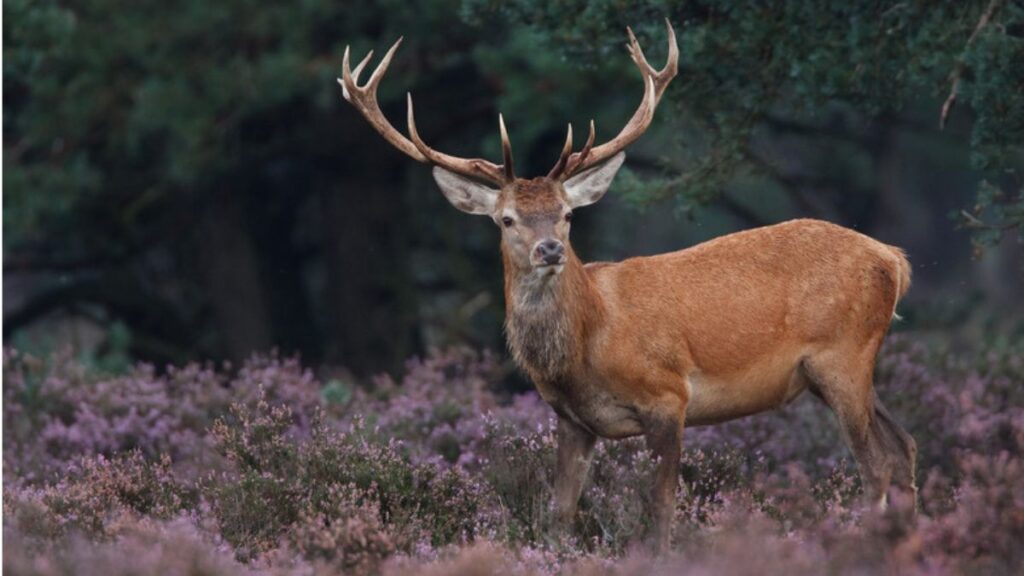
Introduction to the Red Stag
The red stag, a majestic symbol of the wild, roams freely across vast landscapes, embodying the spirit of nature’s untamed beauty. With their impressive antlers and powerful stature, these creatures capture the imagination of wildlife enthusiasts and hunters alike. But what lies behind that captivating exterior? From their humble beginnings as fawns to becoming dominant adults in their prime, the life cycle of the red stag is a remarkable journey filled with challenges and triumphs.
In this blog post, we’ll explore each stage of this fascinating creature’s life—from birth to old age—and shed light on what makes them such an essential part of our ecosystems. Join us as we delve into the world of red stags and uncover the secrets that lie within their extraordinary lives.
The Birth of a Fawn: Gestation and Birth Process
The journey of a red stag begins with the delicate process of gestation. After mating, the female, known as a hind, carries her fawn for about 230 days. During this period, she seeks safe and secluded environments to nurture her growing offspring.
As the due date approaches, changes in behavior become evident. Hinds often isolate themselves from the herd to find a quiet spot in dense vegetation—an instinct that helps protect their young from predators.
When labor begins, it’s usually swift and efficient. The fawn emerges wet and vulnerable but quickly becomes alert within minutes. This rapid development is crucial; survival hinges on speed and concealment.
After birth, the hind licks her fawn clean while ensuring its first feeding occurs promptly. This bonding moment is vital for both mother and baby as they begin their life together in the wild’s embrace.
Early Life: Growth and Development in the First Year
After birth, a fawn’s early days are marked by vulnerability and rapid development. During the first few weeks, they rely heavily on their mother’s milk for nourishment. This diet is rich in essential nutrients that support healthy growth.
As they begin to gain strength, fawns start exploring their surroundings cautiously. Their instinctual behavior keeps them hidden from predators while they learn about the world around them.
By three months old, a red stag fawn begins grazing on grass and leaves. They mimic adult behaviors as they practice social skills within small groups or with their mothers.
During this time, their coats transition from spotted to a more solid color. This change not only reflects maturity but also aids in camouflage amidst dense foliage.
The bond between mother and fawn remains strong throughout this period, providing protection and guidance essential for survival in the wild.
Adolescence: Mating Season and Challenges
As red stags enter adolescence, they face a whirlwind of changes. This is the time when young males begin to develop their antlers, which grow rapidly and become more prominent during mating season. With each passing year, these impressive structures symbolize strength and dominance.
During this period, competition among males intensifies. They engage in displays of power through vocalizations and physical confrontations. The autumn rut brings excitement but also challenges as weaker stags struggle for territory and mates.
For females, this phase includes nurturing fawns while remaining vigilant against predators. Their instincts sharpen as they protect their young from the perils that come with an increasingly competitive environment.
The adolescent stage is crucial for establishing social hierarchies within herds. These dynamics shape future interactions as mature adults navigate life in the wild, ensuring the survival of their lineage amidst ever-changing circumstances.
Prime Adulthood: Peak Physical Condition and Hunting Behavior
As red stags reach prime adulthood, they exhibit remarkable physical prowess. Their bodies are well-muscled and robust, with the males boasting impressive antlers that can grow significantly each year. This stage is crucial for establishing dominance within their social groups.
During the rutting season, typically occurring in autumn, male red stags engage in fierce battles to secure mating rights. These confrontations are not only a display of strength but also skillful strategies that showcase their agility and endurance.
Hunting behavior becomes more pronounced during this time as they seek out females while navigating potential threats from predators or rival stags. The combination of instinct and experience plays a vital role in their survival tactics.
Adulthood is marked by a balance between competing for mates and avoiding danger. Each stag must remain vigilant and adaptable to maintain its position within the herd while ensuring reproductive success.
Senior Years: Decline in Health and Survival Strategies
As red stags age, their physical prowess begins to wane. Once robust and commanding, they may experience a decline in strength and stamina. Antler growth slows, reflecting the loss of vitality that comes with time.
Older stags often retreat from competition. They become more cautious, avoiding confrontations with younger rivals. This shift in behavior is crucial for survival; preserving energy becomes paramount.
Foraging habits also change during these years. Senior stags seek out less competitive feeding grounds or rely on familiar territories where they know food sources are plentiful but safe from aggressive peers.
In social structures, older males may form loose associations rather than dominating harems as they once did. Their wisdom allows them to navigate herds subtly while ensuring they still play a role within the group dynamics without engaging in exhausting battles for dominance.
The adaptations made during this stage reflect a deep understanding of balance—survival through strategy rather than sheer force.
Conclusion: Understanding the Life Cycle of the Red Stag for Conservation and Management
Understanding the life cycle of the red stag is essential for effective conservation and management strategies. Each stage, from fawn to adult, presents unique challenges and adaptations that influence population dynamics.
As we track their journey through gestation, early development, adolescence, and into adulthood, it becomes clear how environmental factors play a crucial role in their survival. Protecting the habitats where these magnificent creatures thrive ensures they can navigate each phase of life successfully.
Awareness of their natural behaviors during mating seasons sheds light on their social structures and competition among males. By fostering an understanding of these patterns, we can implement better practices to sustain healthy populations.
The decline seen in senior stags highlights the importance of monitoring health trends within populations. Conservation efforts must consider not just numbers but also age distribution and genetics.
Engaging communities in red stag conservation fosters respect for wildlife while promoting biodiversity. The balance between human activity and nature needs careful attention as our world continues to change.
By appreciating every aspect of a red stag’s life cycle—from birth to old age—we empower ourselves to make informed decisions that will benefit both this iconic species and its ecosystem for generations to come.