
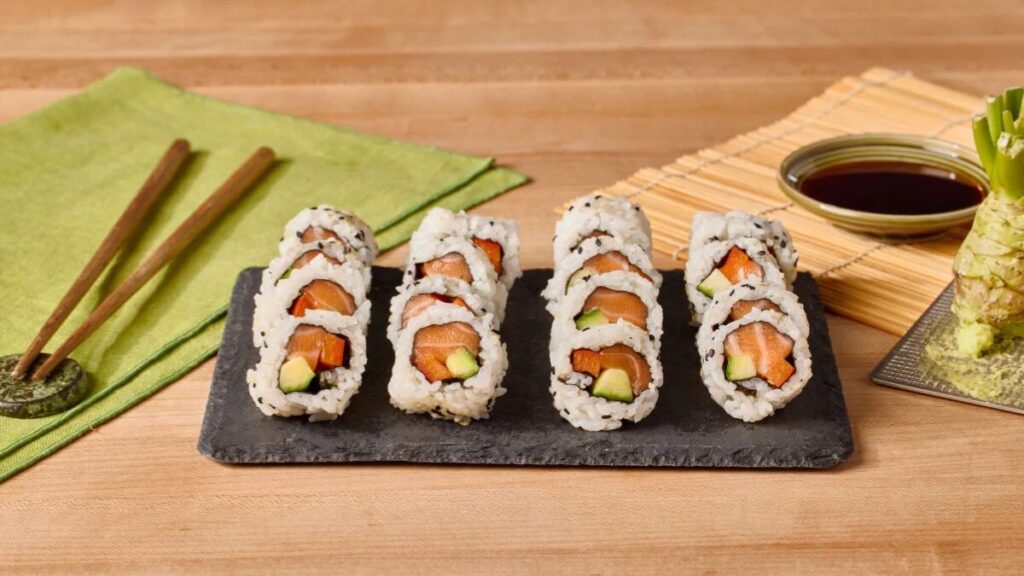
Spider roll is one of the most popular specialty sushi rolls found in Japanese restaurants around the world. Known for its crispy texture, unique appearance, and delicious combination of flavors, this sushi roll appeals to both sushi beginners and experienced enthusiasts.
Unlike traditional sushi that often features raw fish, a spider roll typically contains deep-fried soft-shell crab, making it a flavorful option for people who prefer cooked seafood. The crab legs extending from the sides of the roll create a spider-like appearance, which is where the name originates.
In this guide, you’ll learn everything about spider roll sushi, including its ingredients, preparation methods, nutritional value, variations, and tips for enjoying it at home or in restaurants.
What Is a Spider Roll?
A spider roll is a type of sushi roll made with crispy soft-shell crab, sushi rice, nori (seaweed), and fresh vegetables such as avocado, cucumber, lettuce, or sprouts.
The defining feature is the use of an entire soft-shell crab that has been cleaned, battered, and deep-fried before being rolled into sushi.
Why Is It Called a Spider Roll?
The name comes from the appearance of the fried crab legs. When the roll is sliced and served, the crab legs often stick out from the ends, resembling the legs of a spider.
Key Characteristics
- Crispy soft-shell crab
- Crunchy and creamy textures
- Cooked seafood rather than raw fish
- Mild, savory flavor
- Popular among sushi beginners
- Often served with spicy mayo or eel sauce
Spider Roll Ingredients
The ingredients can vary slightly depending on the restaurant or chef, but the core components remain similar.
| Spider Roll Ingredient | Purpose | Flavor Contribution |
|---|---|---|
| Soft-shell crab | Main protein | Crispy, savory |
| Sushi rice | Base ingredient | Mild and slightly sweet |
| Nori | Roll wrapper | Umami flavor |
| Avocado | Creamy texture | Rich and buttery |
| Cucumber | Fresh crunch | Light and refreshing |
| Lettuce or sprouts | Added texture | Crisp and fresh |
| Spicy mayo | Optional topping | Creamy heat |
Soft-Shell Crab: The Star Ingredient
Soft-shell crabs are crabs that have recently molted their hard outer shell. Because the shell remains soft, the entire crab can be eaten after cooking.
This creates a unique texture that combines crunchiness and tenderness in every bite.
Additional Toppings
Many restaurants customize spider rolls with:
- Tempura flakes
- Sesame seeds
- Spicy mayonnaise
- Eel sauce
- Green onions
- Tobiko (flying fish roe)
How a Spider Roll Is Made
Making a spider roll requires several steps, but the process is manageable for home cooks.
Step 1: Prepare the Sushi Rice
Cook sushi rice and season it with:
- Rice vinegar
- Sugar
- Salt
Allow the rice to cool before assembling the roll.
Step 2: Fry the Soft-Shell Crab
The crab is typically:
- Cleaned thoroughly
- Coated with light batter
- Deep-fried until golden brown
The result is a crispy exterior with tender meat inside.
Step 3: Assemble the Roll
Place nori on a bamboo sushi mat and spread rice evenly across the surface.
Add:
- Fried soft-shell crab
- Avocado slices
- Cucumber strips
- Lettuce or sprouts
Step 4: Roll and Slice
Carefully roll the ingredients into a tight cylinder and slice into bite-sized pieces.
Spider Roll vs Other Popular Sushi Rolls
Many people compare spider rolls with other popular sushi varieties.
| Sushi Roll | Main Ingredient | Raw or Cooked | Texture |
|---|---|---|---|
| Spider Roll | Soft-shell crab | Cooked | Crispy |
| California Roll | Imitation crab | Cooked | Soft |
| Dragon Roll | Eel and avocado | Usually cooked | Rich |
| Tuna Roll | Tuna | Raw | Tender |
| Salmon Roll | Salmon | Raw | Buttery |
What Makes Spider Roll Different?
Spider rolls stand out because they combine:
- Deep-fried seafood
- Fresh vegetables
- Crunchy texture
- Restaurant-style presentation
Few sushi rolls deliver the same level of texture contrast.
Nutritional Value of Spider Roll
The nutritional profile depends on ingredients, portion size, and sauces.
Typical Nutrition Per Roll
| Nutrient | Approximate Amount |
|---|---|
| Calories | 350–550 |
| Protein | 15–25g |
| Carbohydrates | 35–50g |
| Fat | 10–25g |
| Fiber | 2–5g |
Health Benefits
Spider rolls can offer several nutritional advantages:
Protein Source
Soft-shell crab provides quality protein that helps support muscle maintenance and overall health.
Healthy Fats
Avocado contributes heart-friendly monounsaturated fats.
Vitamins and Minerals
Ingredients such as cucumber, avocado, and crab contain:
- Vitamin A
- Vitamin C
- Vitamin E
- Zinc
- Selenium
Potential Drawbacks
Because the crab is fried, spider rolls may contain:
- More calories than traditional sushi
- Higher sodium levels
- Additional fat from frying
Moderation remains important for a balanced diet.
Popular Spider Roll Variations
Restaurants frequently create unique versions to attract customers and showcase creativity.
Spicy Spider Roll
Includes:
- Spicy mayonnaise
- Chili sauce
- Jalapeño slices
This version delivers a stronger flavor profile.
Tempura Spider Roll
Adds extra tempura flakes for increased crunch.
Dragon Spider Roll
Combines spider roll ingredients with avocado slices arranged on top to resemble dragon scales.
Premium Spider Roll
May include:
- Tobiko
- Eel sauce
- Specialty seafood toppings
- Premium sauces
These upscale versions are common in high-end sushi restaurants.
Best Sauces to Pair with Spider Roll
The right sauce can enhance both texture and flavor.
Spicy Mayo
A blend of mayonnaise and chili sauce that adds creaminess and heat.
Eel Sauce
Sweet and savory, eel sauce complements the fried crab particularly well.
Soy Sauce
A traditional choice that adds saltiness and umami.
Ponzu Sauce
Citrusy and light, making it a refreshing alternative.
Pros and Cons of Spider Roll
Pros
- Great introduction to sushi
- Uses cooked seafood
- Unique crunchy texture
- Visually appealing presentation
- Available at many sushi restaurants
- Can be customized easily
Cons
- Usually higher in calories
- Fried ingredients increase fat content
- More expensive than basic sushi rolls
- May contain high sodium levels
- Not suitable for shellfish allergies
Common Mistakes When Ordering or Making Spider Roll
Many people make avoidable mistakes when exploring this sushi option.
Choosing Too Many Heavy Sauces
Excessive sauce can overwhelm the delicate crab flavor.
Ignoring Freshness
Fresh ingredients significantly impact taste and texture.
Overcooking the Crab
Over-frying can make the crab dry and less enjoyable.
Rolling Too Loosely
Loose rolls often fall apart when sliced.
Using Too Much Rice
An excessive amount of rice can overpower the filling.
Best Practices for Enjoying Spider Roll
To get the best experience, follow these simple recommendations.
Eat It Fresh
Spider rolls taste best immediately after preparation because the crab remains crispy.
Pair with Light Side Dishes
Good options include:
- Miso soup
- Seaweed salad
- Edamame
Try Different Sauces
Experiment with:
- Ponzu
- Spicy mayo
- Eel sauce
This helps you discover your preferred flavor combination.
Balance Texture and Flavor
The ideal spider roll should provide:
- Crunchiness from crab
- Creaminess from avocado
- Freshness from vegetables
- Umami from seaweed and sauces
How to Choose the Best Spider Roll at a Restaurant
When dining out, look for these quality indicators:
- Freshly fried crab
- Crisp vegetables
- Properly seasoned rice
- Balanced ingredient ratios
- Attractive presentation
Restaurants that prepare rolls to order generally provide a superior experience compared to pre-made options.
Is Spider Roll Good for Sushi Beginners?
Absolutely.
Many first-time sushi eaters feel hesitant about consuming raw fish. Since spider roll uses cooked soft-shell crab, it offers a more approachable introduction to sushi culture.
The crispy texture also feels familiar to people who enjoy fried seafood dishes.
As a result, it frequently ranks among the best beginner-friendly sushi rolls available.
Conclusion
Spider roll remains one of the most distinctive and enjoyable sushi creations. Its combination of crispy soft-shell crab, creamy avocado, fresh vegetables, and seasoned sushi rice creates a memorable dining experience that appeals to a wide range of tastes.
Whether you’re trying sushi for the first time or looking to expand your appreciation for Japanese cuisine, this roll offers an excellent balance of flavor, texture, and visual appeal. With numerous variations available and plenty of customization options, it’s easy to understand why spider roll continues to be a favorite menu item in sushi restaurants worldwide.
Frequently Asked Questions
1. What is a spider roll made of?
A spider roll typically contains deep-fried soft-shell crab, sushi rice, nori, avocado, cucumber, and various sauces or toppings.
2. Is a spider roll cooked or raw?
Spider roll is generally made with cooked soft-shell crab, making it a cooked sushi option.
3. Why is it called a spider roll?
The fried crab legs often extend from the roll, creating a spider-like appearance.
4. Is spider roll healthy?
It can be part of a balanced diet, offering protein and healthy fats, although frying increases calories and fat content.
5. What sauce goes best with spider roll?
Popular choices include spicy mayo, eel sauce, soy sauce, and ponzu sauce.