
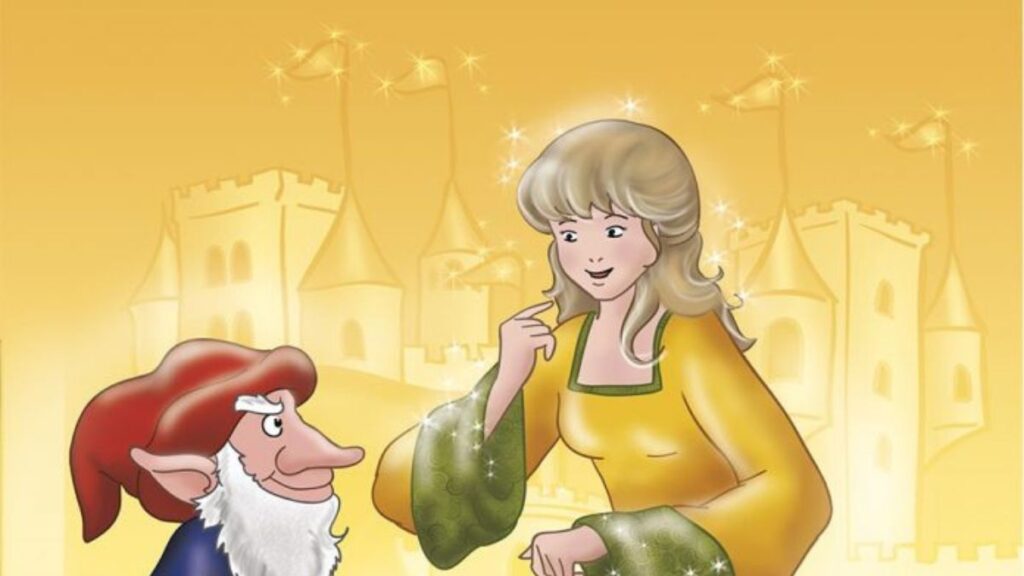
Introduction to Rumpelstiltskin
Rumpelstiltskin is a name that resonates through the ages, conjuring images of spinning wheels and clever bargains. This timeless fairy tale has captured hearts and sparked imaginations for generations. But beyond its whimsical surface lies a rich tapestry of myths, truths, and complex themes waiting to be unraveled.
Have you ever wondered who Rumpelstiltskin really is? What secrets does this enigmatic character hold? As we journey through the origins and evolution of this beloved story, we’ll delve into common misconceptions that twist our understanding. We’ll explore symbolism woven throughout the narrative, revealing deeper meanings behind every spin of gold.
From historical roots to modern adaptations in film and literature, Rumpelstiltskin continues to fascinate audiences young and old. Join us as we peel back the layers of one of folklore’s most intriguing figures—where magic meets morality in ways you might never have imagined!
The Origin and Evolution of the Fairy Tale
The tale of Rumpelstiltskin has roots that stretch deep into European folklore. It is believed to have originated in Germany, with the Brothers Grimm popularizing it in the 19th century. Their collection of fairy tales brought numerous stories, including this one, to a wider audience.
Originally, variations of Rumpelstiltskin existed long before it was penned by the Grimms. These early versions often featured themes of cunning and trickery. They reflected societal values and fears about greed and deception.
Over time, storytellers adapted these narratives for different cultures. Each retelling added unique elements while maintaining core themes like sacrifice and bargaining. The character of Rumpelstiltskin himself evolved from a menacing figure to one who evokes sympathy in modern interpretations.
This evolution showcases how deeply embedded fairy tales are within our cultural psyche, adapting as society changes yet retaining their enchanting appeal.
Common Misconceptions About Rumpelstiltskin
Many people think Rumpelstiltskin is merely a villain. While he does engage in dubious dealings, his motivations are often misunderstood. He seeks recognition and respect for his unique talents, not just revenge.
Another common misconception is that the story only revolves around greed. In reality, it delves into themes of desperation and survival. The miller’s daughter faces impossible odds and makes choices driven by her circumstances.
Some believe Rumpelstiltskin’s name holds no significance. Yet, names have power in folklore, symbolizing identity and destiny. His unusual name adds layers to his character.
Many assume the tale ends with punishment for Rumpelstiltskin alone. However, it’s essential to consider how all characters contribute to their fates through choices made throughout the narrative journey.
The Symbolism and Themes in the Story
Rumpelstiltskin is rich with symbolism that invites deep interpretation. The act of spinning straw into gold represents transformation and the potential for greatness hidden within mundane materials. This mirrors our own abilities to turn challenges into opportunities.
The character of Rumpelstiltskin embodies greed and manipulation. His desire for the child highlights the darker aspects of human nature, where desperation can lead to unethical choices.
Furthermore, the story explores themes of identity and self-discovery. The queen’s journey emphasizes how knowledge and understanding one’s true worth can break free from oppressive circumstances.
Power dynamics also play a crucial role in this tale. Rumpelstiltskin’s bargaining reflects societal exchanges, while the queen’s struggle illustrates vulnerability against those who wield power unjustly. Each element weaves together to create a narrative that resonates across generations, revealing truths about humanity’s complexities.
Historical and Cultural Significance of Rumpelstiltskin
Rumpelstiltskin, a tale with roots deep in European folklore, carries more than mere entertainment. It reflects societal values and fears from centuries past. The story emerged during times when poverty was rampant and the struggle for survival was common.
The character of Rumpelstiltskin embodies cunning and the darker aspects of human nature. His desire for power through manipulation resonates with historical themes of greed and exploitation.
Furthermore, the story highlights gender dynamics prevalent in its time. The miller’s daughter is thrust into a precarious situation where her worth is tied to her ability to produce wealth—a reflection of women’s roles in society then.
Various cultures have embraced this narrative, adapting it to their contexts while retaining core elements that speak universally about ambition and consequence. This adaptability showcases how folklore can traverse borders while still holding significant meaning across different societies.
Modern Adaptations and Interpretations of the Fairy Tale
Rumpelstiltskin has inspired a myriad of modern adaptations, breathing new life into the classic tale. From animated films to live-action series, creators explore its themes in fresh ways.
In many contemporary retellings, Rumpelstiltskin is portrayed with greater nuance. He embodies both villainy and vulnerability, inviting audiences to empathize with his motives. This complexity adds depth to characters often seen as one-dimensional.
Television shows like “Once Upon a Time” have woven him into larger narratives, blending various fairy tales and exploring the consequences of greed and ambition. Such interpretations make the story relevant today by highlighting timeless human struggles.
Moreover, countless children’s books have reimagined Rumpelstiltskin for younger audiences. These versions often emphasize friendship over contract dealings while retaining elements of magic that draw children in.
The adaptability of this fairy tale showcases its enduring appeal across generations and mediums alike.
Conclusion: Why Rumpelstiltskin Continues to Captivate Audiences Today
Rumpelstiltskin has a unique ability to transcend generations. Its themes of greed, deception, and the struggle for identity resonate deeply with audiences across cultures and time periods. The tale’s dark undertones serve as a reminder that choices have consequences and words hold power.
The character of Rumpelstiltskin himself is both fascinating and frightening. He embodies the complexities of human nature—both benevolent and malevolent traits coexist within him. This duality makes him an intriguing figure in literature, inviting various interpretations over the years.
Modern adaptations continue to breathe new life into this classic fairy tale. From films to television series, creators explore different angles while staying true to core elements of the story. These retellings keep Rumpelstiltskin relevant, allowing new audiences to engage with it in fresh ways.
The enduring appeal also lies in its moral lessons. As society grapples with similar issues today—trustworthiness, integrity, and the pursuit of wealth—the story remains pertinent. It challenges readers not just to think about their desires but also about what they are willing to sacrifice for them.
Rumpelstiltskin captivates because it invites us into a world where magic exists alongside harsh realities. It reminds us that every decision carries weight—and sometimes understanding our own tales requires unraveling much more than mere threads.