
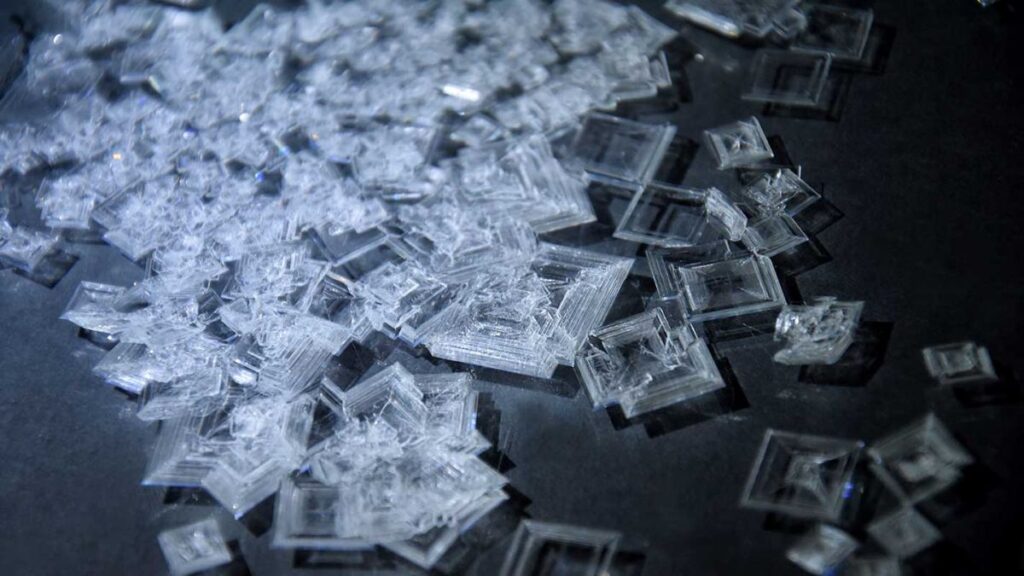
Silver nitrate is one of the most important inorganic compounds used in laboratories, healthcare facilities, industrial manufacturing, and scientific research. Known for its powerful antimicrobial properties and unique chemical behavior, silver nitrate has played a significant role in chemistry and medicine for centuries.
Whether you’re a student, researcher, healthcare professional, or simply curious about chemical compounds, understanding silver nitrate can help you appreciate its wide range of applications and safety considerations. This guide explores its properties, uses, advantages, limitations, and best practices for handling it safely.
What Is Silver Nitrate?
Silver nitrate is an inorganic chemical compound with the formula AgNO₃. It appears as a colorless or white crystalline solid that readily dissolves in water.
The compound is produced by dissolving silver metal in nitric acid. Once formed, it becomes a highly versatile chemical used in numerous scientific and commercial processes.
Quick Definition
Silver nitrate is a water-soluble silver salt commonly used for antimicrobial treatment, chemical analysis, photography, industrial manufacturing, and laboratory experiments.
Key Characteristics
- Colorless or white crystalline appearance
- Highly soluble in water
- Sensitive to light exposure
- Strong oxidizing properties
- Antimicrobial activity
- Reactive with halides and organic compounds
Chemical Properties of Silver Nitrate
Understanding the chemical properties helps explain why this compound is so useful across different industries.
Physical Properties
| Property | Value |
|---|---|
| Chemical Formula | AgNO₃ |
| Molecular Weight | 169.87 g/mol |
| Appearance | White crystalline solid |
| Solubility | Highly soluble in water |
| Odor | Odorless |
| Density | 4.35 g/cm³ |
| Light Sensitivity | High |
Important Chemical Reactions
Silver nitrate participates in many analytical and industrial reactions.
Some common reactions include:
- Formation of silver chloride with chloride ions
- Precipitation reactions in laboratories
- Oxidation-reduction reactions
- Antimicrobial interactions with microorganisms
Because of these reactions, it serves as a valuable reagent in chemistry labs worldwide.
Uses of Silver Nitrate
The versatility of this compound makes it useful in many fields.
Medical Applications
Historically, healthcare professionals have used silver-based compounds for infection control.
Common medical uses include:
- Treatment of minor skin lesions
- Removal of warts
- Cauterization procedures
- Antimicrobial treatments
- Specialized wound care products
Medical-grade formulations are carefully controlled to ensure safety and effectiveness.
Laboratory Applications
Scientists frequently rely on this compound for chemical testing and analysis.
Examples include:
- Chloride ion testing
- Water quality analysis
- Analytical chemistry experiments
- Chemical synthesis
- Educational laboratory demonstrations
Industrial Uses
Many industries incorporate silver compounds into manufacturing processes.
Industrial applications include:
- Mirror production
- Electronics manufacturing
- Metal surface treatments
- Chemical production
- Quality control testing
Photography
Traditional photography benefited greatly from silver-based chemicals.
Before digital cameras became dominant, silver compounds were essential for:
- Film development
- Photographic paper production
- Image processing
- Darkroom applications
Major Applications Across Industries
The table below highlights how different sectors use silver nitrate.
| Industry | Primary Purpose | Key Benefit |
|---|---|---|
| Healthcare | Antimicrobial treatments | Infection control |
| Education | Laboratory instruction | Chemical analysis learning |
| Water Testing | Contaminant detection | Accurate measurements |
| Manufacturing | Surface treatment | Improved product quality |
| Photography | Image development | High image quality |
| Research | Chemical synthesis | Reliable experimental results |
How Silver Nitrate Works
The effectiveness of this compound comes from the release of silver ions.
Antimicrobial Mechanism
Silver ions can interfere with microbial cells by:
- Damaging cell membranes
- Disrupting enzyme activity
- Interfering with DNA replication
- Preventing bacterial growth
This mechanism explains why silver-based products remain valuable in healthcare applications.
Chemical Testing Mechanism
In analytical chemistry, silver ions react with specific substances to form visible precipitates.
For example:
- Chloride ions produce white silver chloride
- Bromide ions form cream-colored precipitates
- Iodide ions generate yellow precipitates
These reactions allow scientists to identify and measure chemical substances accurately.
Advantages and Disadvantages
Every chemical compound has strengths and limitations.
Pros
| Advantage | Explanation |
|---|---|
| Strong antimicrobial activity | Effective against many microorganisms |
| Versatile applications | Useful in medicine, industry, and research |
| Easy detection reactions | Excellent for laboratory analysis |
| Water solubility | Simple preparation of solutions |
| Reliable performance | Consistent chemical behavior |
Cons
| Limitation | Explanation |
|---|---|
| Light sensitivity | Requires protected storage |
| Skin staining | Can leave dark stains on skin |
| Potential irritation | May irritate skin and eyes |
| Environmental concerns | Requires proper disposal |
| Higher cost than some alternatives | Silver is a valuable metal |
Safety Considerations
Proper handling is essential when working with chemical compounds.
Potential Hazards
Exposure may cause:
- Skin irritation
- Eye irritation
- Temporary skin discoloration
- Respiratory discomfort from dust
- Material staining
The dark stains often occur because silver compounds react with light and skin proteins.
Personal Protective Equipment
When handling the substance, users should wear:
- Safety goggles
- Laboratory gloves
- Protective clothing
- Closed-toe footwear
- Appropriate respiratory protection when necessary
First Aid Measures
If accidental exposure occurs:
Skin Contact
- Wash thoroughly with soap and water.
- Remove contaminated clothing.
Eye Contact
- Rinse with water for several minutes.
- Seek medical attention if irritation persists.
Inhalation
- Move to fresh air.
- Obtain medical assistance if symptoms continue.
Best Practices for Storage and Handling
Proper storage extends shelf life and maintains chemical quality.
Storage Guidelines
Store the compound:
- In tightly sealed containers
- Away from direct sunlight
- In cool, dry conditions
- Separate from incompatible chemicals
- In clearly labeled containers
Handling Best Practices
Follow these recommendations:
- Work in a well-ventilated area
- Avoid direct skin contact
- Use proper measuring equipment
- Keep containers closed when not in use
- Clean spills promptly
Storage and Handling Checklist
| Practice | Recommended |
|---|---|
| Protect from sunlight | Yes |
| Store in sealed container | Yes |
| Wear gloves | Yes |
| Avoid skin contact | Yes |
| Label containers clearly | Yes |
| Dispose through approved channels | Yes |
Common Mistakes When Using Silver Nitrate
Even experienced users can make avoidable errors.
1. Improper Storage
Leaving containers exposed to light can degrade product quality and reduce effectiveness.
2. Skipping Protective Equipment
Direct contact may cause staining or irritation.
3. Using Contaminated Equipment
Cross-contamination can alter reaction results and affect accuracy.
4. Incorrect Disposal
Chemical waste should never be discarded without following local regulations.
5. Preparing Solutions Incorrectly
Using inaccurate measurements can lead to unreliable results.
Environmental Considerations
Silver-containing compounds should be managed responsibly.
Why Proper Disposal Matters
Silver ions may affect aquatic organisms when released into waterways.
Responsible disposal helps:
- Protect ecosystems
- Reduce contamination
- Meet regulatory requirements
- Promote sustainable laboratory practices
Disposal Recommendations
Always:
- Follow local regulations
- Use approved chemical waste systems
- Consult safety documentation
- Avoid pouring solutions into drains unless specifically permitted
Future Developments and Research
Researchers continue exploring innovative uses for silver-based compounds.
Emerging areas include:
- Advanced antimicrobial materials
- Water purification technologies
- Nanotechnology applications
- Medical device coatings
- Sustainable manufacturing processes
As technology advances, new applications may further expand the value of silver compounds across multiple industries.
Conclusion
Silver nitrate remains one of the most widely used and valuable compounds in chemistry, medicine, manufacturing, and scientific research. Its unique combination of antimicrobial properties, analytical usefulness, and chemical versatility has ensured its importance for generations.
While it offers many benefits, safe handling and responsible storage are essential. By understanding its properties, applications, advantages, and limitations, users can maximize its effectiveness while minimizing risks.
Whether used in a laboratory experiment, industrial process, healthcare setting, or educational environment, silver nitrate continues to be a cornerstone chemical with broad practical significance.
Frequently Asked Questions
1. What is silver nitrate mainly used for?
It is commonly used in laboratories, healthcare applications, chemical analysis, industrial manufacturing, and antimicrobial treatments.
2. Why does silver nitrate stain skin?
The compound reacts with skin proteins and light, producing dark-colored silver particles that temporarily discolor the skin.
3. Is silver nitrate soluble in water?
Yes. It is highly soluble in water, making it easy to prepare solutions for various applications.
4. Can silver nitrate be used for water testing?
Yes. It is widely used in analytical chemistry to detect and measure chloride ions in water samples.
5. How should silver nitrate be stored?
Store it in a tightly sealed container away from light, heat, and incompatible substances in a cool, dry location.