
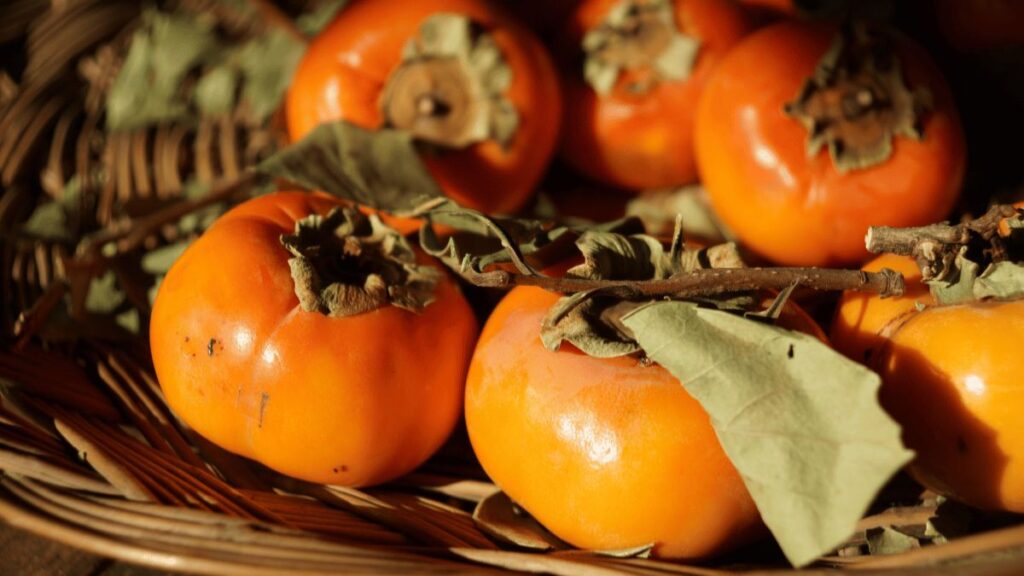
The caquis fruit is a delicious and nutritious fruit that becomes especially popular during the autumn season. Known for its vibrant orange color, naturally sweet taste, and impressive nutritional profile, this fruit has gained recognition among health-conscious consumers around the world.
Whether you have seen it at a local market or are curious about adding new fruits to your diet, understanding what makes caquis special can help you appreciate its unique qualities. From health benefits to culinary uses, this guide covers everything you need to know about this flavorful fruit.
What Is Caquis Fruit?
Caquis fruit is another name for persimmon, a fruit that comes from trees belonging to the Diospyros genus. It is native to East Asia but is now cultivated in many parts of the world, including Europe, North America, and South America.
The fruit is typically round or slightly oval and develops a rich orange color as it ripens. Depending on the variety, the texture can range from firm and crisp to soft and jelly-like.
Popular Varieties of Caquis
Several varieties are commonly available in markets:
- Fuyu persimmon
- Hachiya persimmon
- Sharon fruit
- Rojo Brillante persimmon
Each variety offers a slightly different flavor and texture, making them suitable for different recipes and preferences.
Quick Overview of Caquis Fruit
| Feature | Description |
|---|---|
| Scientific Name | Diospyros kaki |
| Common Names | Caquis, Persimmon, Sharon Fruit |
| Color | Bright Orange |
| Taste | Sweet and Honey-Like |
| Season | Fall to Early Winter |
| Main Nutrients | Fiber, Vitamin A, Vitamin C, Antioxidants |
Nutritional Value of Caquis Fruit
One reason caquis fruit is increasingly popular is its nutrient density. It provides essential vitamins, minerals, and plant compounds while remaining relatively low in calories.
Key Nutrients Found in Caquis
- Dietary fiber
- Vitamin A
- Vitamin C
- Potassium
- Manganese
- Copper
- Antioxidants
These nutrients support various bodily functions, including immune health, vision, digestion, and cardiovascular wellness.
Nutrition Breakdown Per 100 Grams
| Nutrient | Approximate Amount |
|---|---|
| Calories | 70 kcal |
| Carbohydrates | 18 g |
| Fiber | 3.6 g |
| Protein | 0.6 g |
| Fat | 0.2 g |
| Vitamin C | 7.5 mg |
| Potassium | 161 mg |
Because it is naturally sweet, many people use it as a healthier alternative to processed desserts.
Health Benefits of Caquis Fruit
The nutritional profile of caquis contributes to numerous health advantages.
Supports Digestive Health
Caquis contains dietary fiber, which helps maintain regular bowel movements and promotes a healthy digestive system. Fiber can also help you feel fuller for longer periods, supporting weight management efforts.
Rich in Powerful Antioxidants
The fruit contains antioxidants such as:
- Beta-carotene
- Flavonoids
- Tannins
- Lycopene
These compounds help protect cells from oxidative stress caused by free radicals.
Promotes Eye Health
The bright orange color of caquis indicates a high concentration of carotenoids, particularly beta-carotene. The body converts beta-carotene into vitamin A, which plays an important role in maintaining healthy vision.
Supports Immune Function
Vitamin C contributes to normal immune system function and helps the body defend itself against common illnesses.
May Benefit Heart Health
The combination of fiber, antioxidants, and potassium may support healthy blood pressure levels and overall cardiovascular wellness when included as part of a balanced diet.
How Does Caquis Fruit Compare to Other Popular Fruits?
Consumers often compare caquis with other nutrient-rich fruits. While every fruit has unique advantages, caquis stands out for its sweetness and antioxidant content.
Fruit Comparison Table
| Fruit | Fiber | Vitamin A | Sweetness Level | Antioxidants |
|---|---|---|---|---|
| Caquis | High | Very High | High | High |
| Apple | Moderate | Low | Moderate | Moderate |
| Orange | Moderate | Moderate | Moderate | Moderate |
| Mango | Moderate | High | High | High |
| Pear | High | Low | Moderate | Moderate |
This comparison shows why caquis can be a valuable addition to a varied diet.
How to Choose the Best Caquis Fruit
Selecting quality fruit ensures the best flavor and texture.
Signs of a Good Caquis
Look for:
- Bright orange color
- Smooth skin
- No major bruises
- Fresh-looking stem
- Appropriate firmness for the variety
For Fuyu varieties, a firm texture is normal. Hachiya varieties should be soft and fully ripe before eating.
Common Ripeness Indicators
A ripe caquis fruit generally develops:
- Deeper orange coloration
- Sweeter aroma
- Softer texture
- Enhanced sweetness
Understanding the variety you are purchasing is important because ripeness indicators differ.
Best Ways to Eat Caquis Fruit
One of the best aspects of caquis is its versatility in the kitchen.
Enjoy It Fresh
The simplest method is eating it fresh.
Steps include:
- Wash thoroughly.
- Remove the stem.
- Slice or cut into wedges.
- Enjoy as a healthy snack.
Add It to Salads
Its sweetness pairs well with:
- Arugula
- Spinach
- Walnuts
- Goat cheese
- Pomegranate seeds
Blend Into Smoothies
Caquis adds natural sweetness and creamy texture to smoothies without requiring additional sugar.
Use It in Desserts
Popular dessert options include:
- Cakes
- Muffins
- Tarts
- Puddings
- Fruit parfaits
Create Healthy Breakfasts
Many people add sliced caquis to:
- Oatmeal
- Yogurt bowls
- Chia pudding
- Granola
Culinary Uses of Caquis Fruit Around the World
Different cultures have developed unique ways to enjoy this seasonal fruit.
Asia
In many Asian countries, persimmons are eaten fresh, dried, or incorporated into traditional sweets.
Spain
Spain is known for cultivating premium persimmon varieties, particularly Rojo Brillante. These fruits are often enjoyed fresh due to their naturally sweet flavor.
United States
American consumers frequently use persimmons in baked goods, jams, and holiday recipes.
Modern Healthy Cooking
Health-focused recipes increasingly feature caquis in:
- Smoothie bowls
- Energy snacks
- Fruit salads
- Healthy desserts
Best Practices for Storing Caquis Fruit
Proper storage helps preserve flavor and freshness.
Storage Guide
| Ripeness Stage | Storage Method | Expected Duration |
|---|---|---|
| Unripe | Room Temperature | Several Days |
| Ripe | Refrigerator | Up to One Week |
| Sliced | Airtight Container | 2–3 Days |
| Frozen Puree | Freezer | Several Months |
Storage Tips
- Keep unripe fruit at room temperature.
- Avoid excessive moisture.
- Refrigerate once fully ripe.
- Freeze puree for future recipes.
Pros and Cons of Caquis Fruit
Pros
- Naturally sweet flavor
- Rich in antioxidants
- Good source of fiber
- Supports eye health
- Versatile in recipes
- Low in fat
Cons
- Some varieties must be fully ripe before eating
- Seasonal availability in some regions
- Can be overly soft when overripe
- Higher natural sugar content than some fruits
Common Mistakes When Eating or Buying Caquis
Many first-time buyers make simple mistakes that affect their experience.
Buying the Wrong Variety
Different varieties have different textures. Understanding the type you purchase helps avoid disappointment.
Eating Astringent Varieties Too Early
Some persimmons contain tannins that create a puckering sensation when unripe.
Improper Storage
Refrigerating unripe fruit can slow the ripening process and affect flavor development.
Ignoring Ripeness
Texture is one of the biggest indicators of readiness. Always check firmness according to the variety.
Best Practices for Enjoying Caquis Fruit
To get the most from this fruit:
- Buy during peak season.
- Choose fruit with vibrant color.
- Match recipes to the variety.
- Combine with protein-rich foods for balanced snacks.
- Store properly based on ripeness.
- Experiment with both sweet and savory dishes.
These practices help maximize flavor, texture, and nutritional benefits.
Conclusion
Caquis fruit is more than just a seasonal treat. Its naturally sweet taste, vibrant appearance, and impressive nutritional profile make it an excellent addition to a healthy lifestyle. Whether eaten fresh, blended into smoothies, added to salads, or incorporated into desserts, this versatile fruit offers numerous ways to enjoy both flavor and nutrition.
By understanding the different varieties, choosing ripe fruit, and storing it correctly, you can make the most of every caquis you bring home. As more people discover its benefits, caquis continues to earn its place among the most appreciated fruits of the autumn season.
FAQs
1. What is caquis fruit?
Caquis fruit is another name for persimmon, a sweet orange fruit that grows on trees in the Diospyros genus.
2. Is caquis fruit healthy?
Yes. It contains fiber, vitamins, antioxidants, and minerals that support overall health.
3. Can you eat caquis fruit raw?
Absolutely. Many varieties are commonly eaten fresh after washing and slicing.
4. What does caquis fruit taste like?
The flavor is sweet and mild, often compared to honey, apricots, or mangoes.
5. How do you know when caquis fruit is ripe?
Ripeness depends on the variety. Some remain firm when ripe, while others should become soft before eating.