
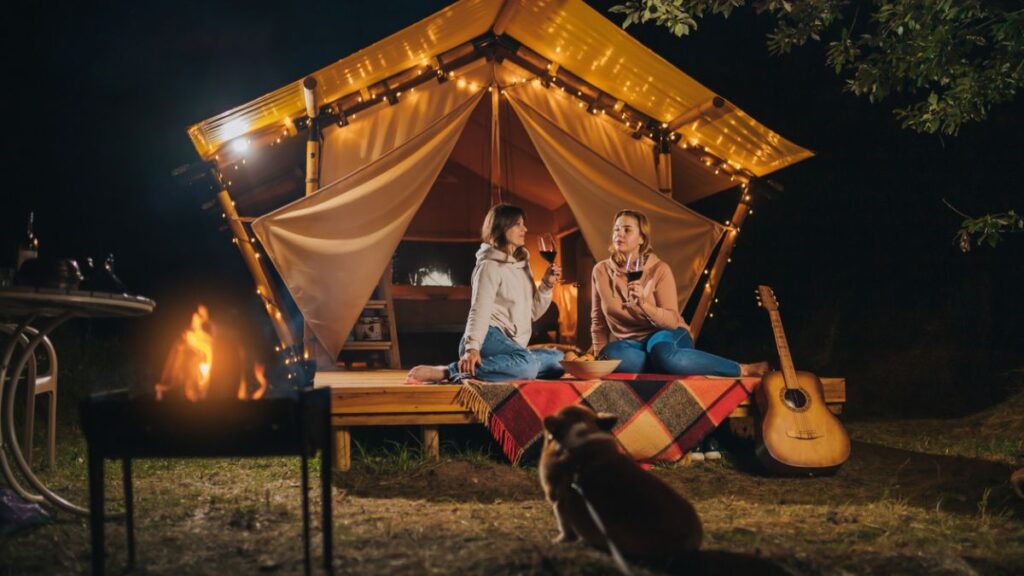
Introduction to Glamping Economy
The glamping economy is transforming the way people experience nature. Gone are the days of roughing it in a tent with no amenities. Today’s travelers crave comfort, style, and adventure—all rolled into one unforgettable getaway. Glamping, short for glamorous camping, offers just that: luxurious accommodations nestled in breathtaking outdoor settings.
As more individuals seek unique travel experiences away from crowded hotels and resorts, the glamping industry is surging forward at an impressive pace. Entrepreneurs and investors alike are recognizing this shift as an opportunity to tap into a lucrative market filled with potential.
Whether you’re looking to invest or start your own venture in this burgeoning sector, understanding the intricacies of the glamping economy will be crucial for success. Let’s dive deeper into what makes this trend so appealing!
What is Driving the Growth of the Glamping Industry?
The glamping industry is surging, fueled by a desire for unique outdoor experiences. As people seek alternatives to traditional hotels, luxury camping offers an enticing blend of nature and comfort.
Social media plays a pivotal role in this growth. Stunning photos of glamorous tents and eco-friendly cabins flood platforms like Instagram, inspiring wanderlust among potential travelers.
Additionally, the pandemic shifted travel priorities. Many are now leaning towards local getaways that allow them to escape urban life while still enjoying modern amenities.
Sustainability also drives interest in glamping. Eco-conscious consumers prefer accommodations that minimize environmental impact without sacrificing style or comfort.
The growing trend of experiential travel emphasizes memorable adventures over mere destinations. Glamping aligns perfectly with this ethos, making it an attractive option for today’s adventurous spirit.
Target Market for Glamping Economy
The target market for the glamping economy is diverse, attracting various demographics. Millennials and Gen Z are at the forefront, seeking unique experiences away from traditional hotels. They crave nature combined with modern comforts.
Families also find glamping appealing. Parents look for ways to bond while introducing their children to outdoor adventures without sacrificing convenience. Spacious tents or cabins provide a safe space for kids to explore.
Couples searching for romantic getaways form another essential segment. Glamping offers secluded spots that allow intimacy and connection in beautiful natural settings.
Even corporate groups have started embracing this trend. Team-building retreats held in glamping sites foster creativity and collaboration outside of conventional office spaces.
As eco-consciousness rises, travelers prioritize sustainable options, making eco-friendly glampgrounds increasingly attractive across all age groups. This expanding market presents numerous opportunities for entrepreneurs venturing into the glamping economy.
Types of Glamping Accommodations
Glamping accommodations come in various forms, each offering a unique experience for guests. Yurts are popular choices, with their spacious interiors and traditional designs that provide comfort amid nature.
Safari tents offer an adventurous vibe, combining luxury with the great outdoors. These setups can include cozy beds and stylish furnishings, making them ideal for family trips or romantic getaways.
Treehouses have gained traction as whimsical retreats nestled high among the branches. They often feature panoramic views and eco-friendly amenities.
For those seeking something more modern, A-frame cabins deliver sleek lines and contemporary design while maintaining a rustic feel.
Bubble hotels create a magical atmosphere by allowing guests to sleep under the stars without sacrificing comfort. Transparent walls give an immersive outdoor experience year-round.
Each type of glamping accommodation caters to different tastes and preferences, ensuring there’s something special for every traveler looking to connect with nature in style.
Benefits of Investing in the Glamping Economy
Investing in the glamping economy offers diverse opportunities for growth. With a rising demand for unique travel experiences, this sector is flourishing.
One of the main benefits is high profitability potential. Glamping accommodations often command premium pricing compared to traditional camping options.
Moreover, it attracts a broad audience ranging from families to millennials seeking adventure without sacrificing comfort. This demographic shift opens doors to various revenue streams, including food services and guided activities.
Sustainability is another appealing factor. Many glamping businesses focus on eco-friendly practices, attracting environmentally conscious travelers who value responsible tourism.
The flexibility in location sets glamping apart from conventional hospitality investments. From remote forests to beachfronts, entrepreneurs can choose captivating sites that enhance guest experiences while maximizing returns.
Challenges and Risks of Starting a Glamping Business
Starting a glamping business comes with its own set of challenges. One major hurdle is navigating local regulations and zoning laws. Entrepreneurs must ensure their site complies with health, safety, and environmental standards.
Another risk lies in securing financing. Glamping requires significant upfront investment for land, amenities, and marketing. Without a solid financial plan, expenses can quickly spiral out of control.
Seasonality also poses a challenge. Many locations experience fluctuating demand based on the weather or holidays. Entrepreneurs need to create strategies to attract customers during off-peak periods.
Building a unique brand identity is essential but can be tough in an increasingly crowded market. Standing out among numerous competitors requires creativity and effective marketing tactics.
Maintaining high guest satisfaction is crucial for repeat business and positive reviews. Every detail matters—from cleanliness to customer service—and any misstep can impact reputation significantly.
Tips for Entrepreneurs and Investors in the Glamping Industry
Research your target audience thoroughly. Understanding their preferences, habits, and spending patterns will help you tailor your offerings.
Location is key in the glamping industry. Seek out picturesque sites that offer unique experiences. Proximity to natural attractions can enhance appeal.
Consider diverse accommodations like yurts, treehouses, or safari tents. Variety attracts different clientele and keeps guests intrigued.
Sustainability matters more than ever. Eco-friendly practices can set your business apart while appealing to environmentally conscious travelers.
Invest in marketing strategies that showcase the experience rather than just a place to stay. Use social media platforms effectively; share stunning visuals and guest testimonials to draw interest.
Network with other entrepreneurs in the glamping community for support and collaboration opportunities. Learning from their successes—and mistakes—can provide invaluable insights as you build your venture.
Stay adaptable; trends change quickly in travel and leisure industries. Being open to innovation will ensure longevity.
Case Studies: Successful Glamping Businesses
One standout example in the glamping economy is Under Canvas. Nestled near national parks, they offer luxurious tents with stunning views and comfortable amenities. Their success lies in a unique blend of nature and comfort, appealing to families and adventure seekers alike.
Another impressive venture is The Resort at Paws Up in Montana. This high-end destination offers extravagant safari-style tents alongside gourmet dining experiences. Their focus on exclusive service attracts affluent travelers looking for an escape from city life.
Then there’s El Capitan Canyon in California, which combines eco-friendliness with rustic charm. Their diverse range of accommodations includes yurts and cabins immersed in lush landscapes, catering to environmentally conscious visitors.
These examples highlight different niches within the glamping landscape, showing that creativity coupled with market understanding can lead to thriving businesses. Each case demonstrates how varied approaches can capture the hearts of guests seeking memorable outdoor experiences.
Conclusion
The glamping economy is more than just a trend; it’s a movement that reflects changing consumer preferences. As travelers seek unique and immersive experiences, the demand for luxurious outdoor accommodations continues to rise. Entrepreneurs and investors who recognize this potential can tap into a lucrative market while promoting sustainable tourism.
With various types of glamping accommodations available, from yurts to treehouses, there is ample room for creativity in design and offerings. Understanding the target demographic—adventurous couples, families seeking connection with nature, or eco-conscious travelers—will help tailor services effectively.
While opportunities abound, challenges such as regulatory hurdles and seasonal fluctuations must be navigated carefully. Those entering the industry should focus on thorough research and strategic planning to mitigate risks.
Successful case studies illustrate diverse approaches within the glamping sector. Learning from these examples can provide valuable insights for new ventures aiming to carve out their niche.
As you explore options within the glamping economy, consider how your vision aligns with emerging trends in travel and hospitality. The path may not always be straightforward, but with innovation and dedication, it holds great promise for those willing to embrace its possibilities.