
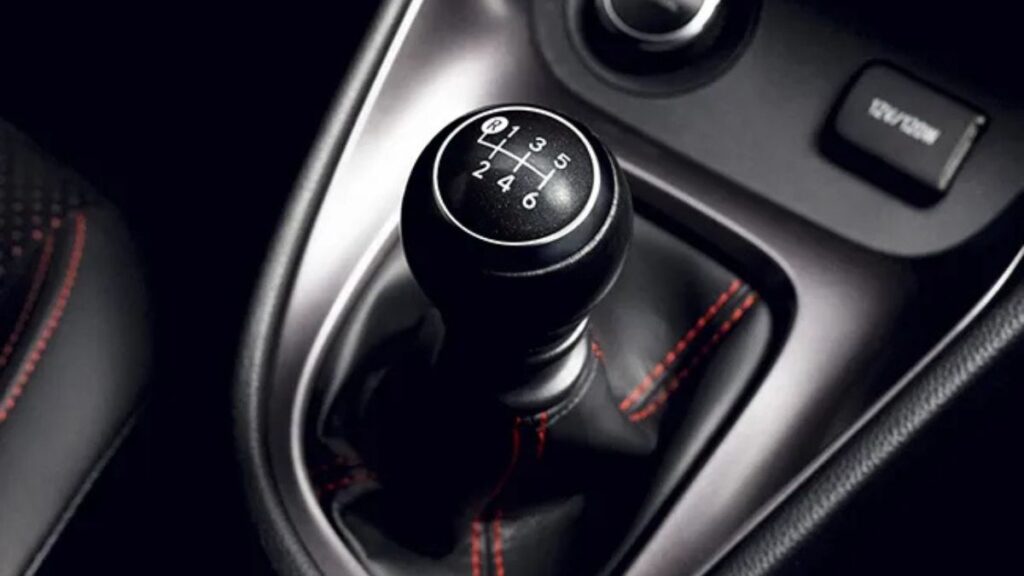
Every driver knows the thrill of hitting the open road. But have you ever considered how your gear shifting can enhance that experience? Switching 2nd gear is not just a technical maneuver; it’s an art form that can transform your ride. Whether you’re cruising through city streets or navigating winding country roads, knowing when and how to shift gears effectively can make all the difference. Let’s dive into what second gear really means and explore its benefits for both seasoned drivers and novices alike. Get ready to unlock a smoother driving experience!
What is Second Gear?
Second gear is a specific setting in a vehicle’s transmission system that allows for optimal power and control at lower speeds. It bridges the gap between first gear, which offers maximum torque for starting from a stop, and higher gears meant for cruising.
When you shift into second gear, your engine revs higher without excessive acceleration. This can be particularly useful when navigating inclines or tight turns.
It’s designed to provide better traction and stability under certain driving conditions. By engaging second gear, drivers can maintain momentum while avoiding unnecessary strain on the engine.
Understanding how and when to use this gear can enhance both performance and safety during your drive. It’s not just about speed; it’s about mastering control over your vehicle in various scenarios.
Understanding the Importance of Shifting Gears
Shifting gears is a fundamental aspect of driving that can significantly impact your vehicle’s performance. It’s not just about speed; it’s about control and efficiency. Each gear serves a specific purpose, allowing the engine to operate within its optimal range.
When you shift properly, you enhance fuel economy and reduce wear on your engine. Inappropriate shifting can lead to sluggish acceleration or unnecessary strain on the car components.
Understanding when to switch gears enables smoother transitions during drives, especially in varying terrains or traffic conditions. It also contributes to an overall enjoyable driving experience.
Recognizing how different speeds align with each gear helps maintain momentum without losing power. Mastering this skill lets drivers navigate confidently, ensuring they get the best out of their vehicles while enjoying every ride.
Signs That It’s Time to Switch to 2nd Gear
Feeling sluggish? That’s often the first clue. When your vehicle struggles to accelerate, it might be time to switch to 2nd gear.
Listen closely. If you hear the engine revving excessively without a corresponding increase in speed, that’s another indicator. Your car is telling you it needs more power, and shifting gears can help.
Take note of your surroundings too. Navigating steep inclines or rough terrain demands better control. Switching 2nd gear provides improved torque when tackling challenging surfaces.
Watch for engine vibrations as well. A bumpy ride could signal it’s time for a change in gears. Smooth transitions lead to better handling and comfort on the road.
Consider speed limits and driving conditions. Quick maneuvers in slower traffic require different gearing strategies for efficiency and safety. Always listen to what your drive tells you; it knows best!
The Benefits of Switching 2nd Gear
Switching 2nd gear can significantly enhance your driving experience. This gear is designed for lower speeds, providing better control and power when you need it most.
One of the primary benefits is improved acceleration. When you’re navigating tight corners or steep inclines, 2nd gear offers a boost that helps maintain momentum without straining the engine.
Another advantage lies in fuel efficiency. Operating at lower RPMs often results in less fuel consumption, which can be beneficial for both your wallet and the environment.
Moreover, using 2nd gear enhances stability during low-speed maneuvers. It allows for smoother transitions and more responsive handling, making city driving easier and safer.
If you’re towing or carrying heavy loads, Switching 2nd gear optimizes torque delivery. This ensures that your vehicle performs effectively under pressure without risking strain on the engine components.
How to Properly Shift into 2nd Gear
Shifting into 2nd gear requires focus and practice. Start by pressing the clutch pedal entirely to disengage the engine from the wheels. This step is crucial for a smooth transition.
Next, gently move the gear shifter downwards to engage 2nd gear. Be mindful of your vehicle’s speed; shifting too early can lead to stalling, while waiting too long may cause unnecessary stress on your transmission.
As you release the clutch, do so gradually. This helps match engine RPM with wheel speed for a seamless engagement. Simultaneously, apply slight pressure on the accelerator to maintain momentum.
Listening to your engine is key during this process. A well-timed shift produces a pleasant sound and optimal performance—so trust your instincts as you navigate those gears with confidence!
Common Mistakes When Switching Gears
One of the most common mistakes when switching gears is rushing the process. Many drivers feel pressure to shift quickly, leading to a rough transition. This can cause unnecessary strain on your vehicle.
Another frequent error involves neglecting engine speed. Failing to match your RPMs before shifting can result in jerky movements and potential damage. It’s essential to listen and feel for that perfect moment.
Forgetting about clutch control is also a pitfall. Some drivers apply too much or too little pressure, making the switch more challenging than it needs to be. Smooth operation is key here.
Many overlook road conditions when deciding when to shift. Slippery surfaces or steep inclines require different techniques compared to flat roads. Adapting your approach ensures better performance and safety while driving.
Conclusion: Why You Should Consider Switching 2nd Gear
Switching 2nd gear can significantly enhance your driving experience. Understanding when and how to make this shift is crucial for both performance and safety. The benefits of smoothing out acceleration, improving control on inclines, and optimizing fuel efficiency cannot be overstated.
Many drivers overlook the importance of proper gear shifting. However, by recognizing the signs that indicate it’s time to switch gears, you not only elevate your driving skills but also prolong the life of your vehicle’s transmission.
By practicing smooth transitions into 2nd gear and avoiding common mistakes such as abrupt shifts or unnecessary revving, you ensure a safer ride for yourself and others on the road. Embracing this simple yet impactful change in your driving technique could lead to more enjoyable journeys ahead.
Consider integrating switching 2nd into your regular driving habits; it may just transform how you feel behind the wheel.