Introduction
Legal matters often involve more than just courtroom proceedings—they rely heavily on documentation, filings, and public records. Whether dealing with property transactions, business agreements, or civil disputes, accurate records are the backbone of the legal system. Attorneys play a crucial role in helping clients interpret, obtain, and use these records effectively. Understanding how legal records work, and how attorneys assist in navigating them, can make a significant difference in achieving favorable outcomes.
The Importance of County Records in Legal Matters
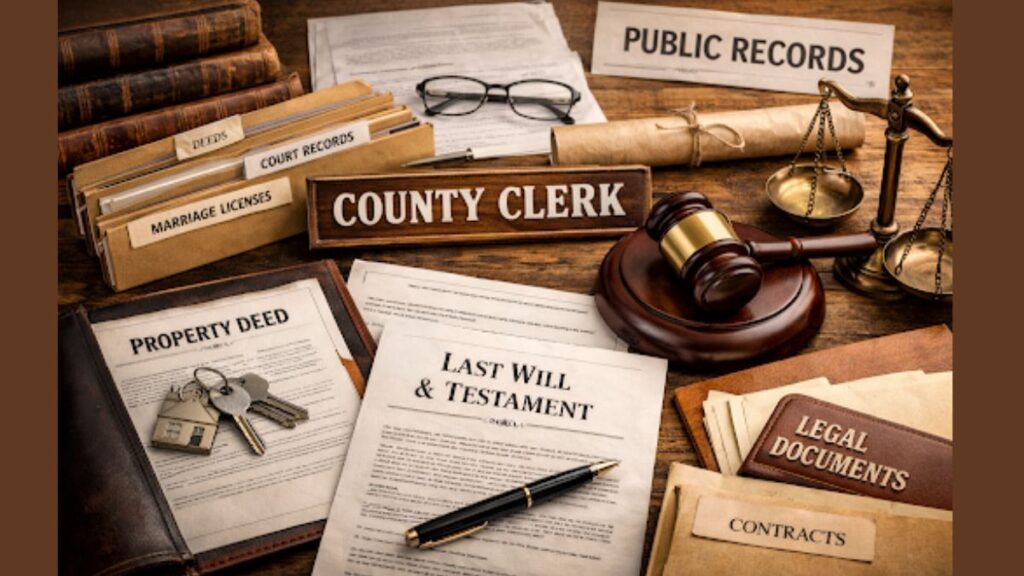
Public records maintained at the county level serve as essential evidence in many legal situations. Offices such as the Wagoner County Clerk OK maintain documents related to property deeds, liens, marriage licenses, court filings, and more. These records are often critical in verifying ownership, resolving disputes, or supporting legal claims.
For example, in property transactions, attorneys frequently review recorded deeds and titles to ensure there are no hidden encumbrances. Similarly, in civil litigation, official records may provide timelines, agreements, or evidence that strengthen a case. Without access to accurate and organized public records, legal processes would become far more complex and unreliable.
What Attorneys Do for Clients
Attorneys serve as guides through the legal system, translating complex rules and procedures into actionable steps for their clients. Their work often begins long before any court appearance. They research laws, gather evidence, draft documents, and communicate with opposing parties.
One of their key roles is ensuring that all documentation is accurate and properly filed. A small mistake in a legal document can lead to delays or even unfavorable outcomes. Attorneys also advise clients on their rights and obligations, helping them avoid costly errors.
Additionally, attorneys act as advocates, representing their clients’ interests in negotiations, hearings, and trials. Their expertise allows them to anticipate challenges and develop strategies that align with legal standards and the client’s goals.
How Attorneys Use Public Records
Public records are a vital resource for attorneys in many areas of law. These records provide factual information that can support or refute claims. Attorneys often access county clerk offices, online databases, and government archives to obtain the necessary documents.
For instance, in real estate law, attorneys examine property records to confirm ownership history. In family law, records such as marriage certificates or court filings may be required. In business law, filings and licenses can establish the legitimacy of a company.
Attorneys also ensure that any documents submitted on behalf of their clients are properly recorded. This step is crucial because improperly filed records may not be legally recognized, potentially weakening a client’s position.
The Process of Filing and Recording Documents
Filing legal documents is a structured process that requires attention to detail. Each document must meet specific requirements, including formatting, signatures, and fees. Attorneys are well-versed in these requirements and ensure compliance to avoid rejection.
Once a document is submitted, it is reviewed and officially recorded by the appropriate office. This process creates a permanent, public record that can be referenced in the future. Attorneys track these filings to confirm they are completed correctly and within required deadlines.
Timeliness is especially important. Missing a filing deadline can have serious consequences, such as losing the right to pursue a claim. Attorneys help clients stay on track and ensure that all necessary steps are completed efficiently.
Common Legal Situations Involving County Records
Many legal matters rely heavily on county records. Some of the most common situations include:
- Property Transactions: Deeds, mortgages, and liens must be recorded to establish ownership and financial obligations.
- Estate Planning and Probate: Wills, trusts, and estate documents often require verification through public records.
- Civil Disputes: Contracts, filings, and prior judgments may be used as evidence.
- Business Operations: Licenses, registrations, and compliance documents are often filed at the county level.
In each of these scenarios, attorneys use their knowledge of legal procedures and documentation to protect their clients’ interests. They ensure that records are accurate, complete, and legally valid.
Why Accuracy and Transparency Matter
The legal system depends on accuracy and transparency to function effectively. Public records provide a reliable source of information that individuals, businesses, and courts can trust. Any errors or omissions can lead to misunderstandings, disputes, or legal challenges.
Attorneys play a key role in maintaining this accuracy. They review documents carefully, verify information, and correct discrepancies when necessary. Their involvement helps prevent issues before they arise, saving clients time and resources.
Transparency is equally important. Public access to records ensures accountability and allows individuals to verify information independently. This openness strengthens trust in the legal system and supports fair outcomes.
Conclusion
Legal records are a fundamental part of nearly every legal process, providing the evidence and documentation needed to support claims and decisions. Offices like the Wagoner County Clerk OK serve as vital repositories for these records, ensuring they are accessible and properly maintained. Attorneys, in turn, help clients navigate these resources, ensuring that documents are accurate, properly filed, and effectively used.
By understanding the relationship between public records and legal representation, individuals can approach legal matters with greater confidence. Whether dealing with property, business, or personal issues, having a clear grasp of how records and legal expertise work together can make the entire process smoother and more effective.