
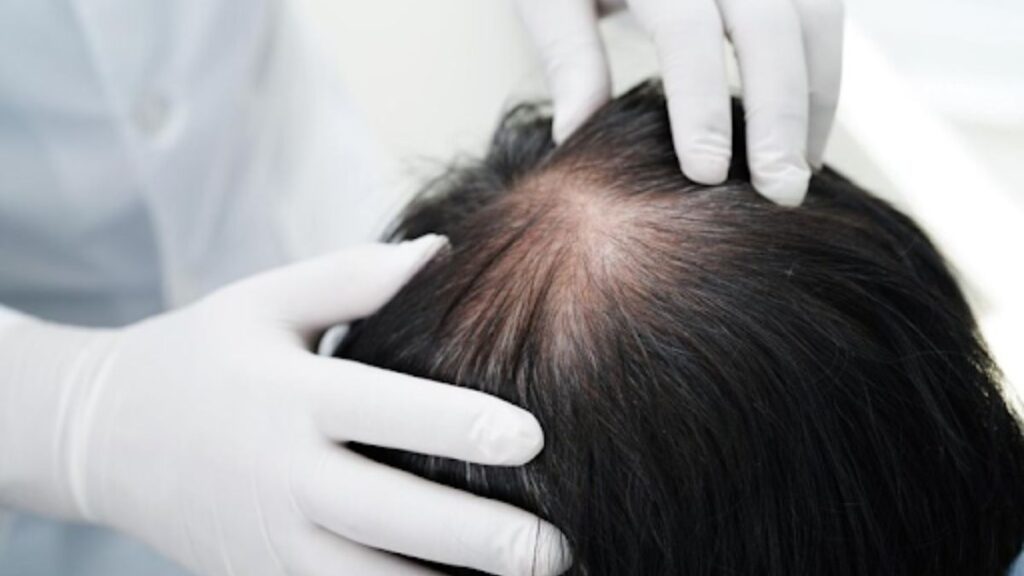
Hair loss is a common concern for many men, and choosing the right treatment can be overwhelming given the range of options available. Whether you’re considering a hair transplant for men or non-surgical approaches such as topical or medical treatments, making an informed choice can save time, money, and disappointment. Below are practical tips to help you select a hair loss treatment that is safe, effective, and tailored to your needs.
Understand What Type of Hair Loss You Have
Not all hair loss is the same. The most common type in men is androgenetic alopecia, also known as male pattern hair loss, which causes receding hairlines and thinning at the crown. Other causes include stress, nutritional deficiencies, illness, or medication side effects. Before choosing a treatment, it’s important to understand the cause of your hair loss. This will guide whether a surgical option, medical therapy, or a combination of approaches is most appropriate.
Get a Professional Assessment
Seeing a qualified specialist is essential. A dermatologist or hair restoration doctor can examine your scalp, assess hair density, and determine the underlying cause of your hair loss. They may use tools such as scalp imaging or hair pull tests to get an accurate picture of your condition. Consulting a professional ensures you’re not self-diagnosing based on guesswork or internet advice alone.
Know the Difference Between Treatments

Hair loss treatments for men range from conservative options to surgical procedures:
Non-surgical treatments include:
• Topical treatments such as minoxidil
• Oral medications like finasteride
• Low-level laser therapy
• Scalp microneedling
• Nutritional supplementation
These help slow hair loss or encourage some regrowth, but results vary between individuals.
Surgical treatment includes:
• Hair transplant for men — This uses follicles from a donor site (usually the back of the head) and places them into thinning or balding areas. Techniques include FUE (Follicular Unit Extraction) and FUT (Follicular Unit Transplantation). Transplants offer permanent results but require commitment to recovery and post-op care.
Understanding the pros and cons of each helps you decide whether you prefer a gradual improvement, a more definitive solution, or a combination.
Consider Your Age and Stage of Hair Loss
Your age and how advanced your hair loss is influence treatment choice. Younger men with early thinning may benefit more from medical treatments, whereas men with established baldness may consider surgical options like a hair transplant. Early intervention often preserves more existing hair and helps maintain the hairline longer.
Evaluate Effectiveness and Expected Results
Some treatments produce modest improvements, while others offer more dramatic and long-lasting results. Be realistic about what you can achieve. For example, topical treatments can slow hair loss and improve thickness in some cases, but they generally do not create new hair where follicles have died. A hair transplant for men can restore density in bald areas, but it requires good donor hair and surgical planning.
Ask to see before-and-after photos from the clinic you’re considering, and make sure the results shown are from similar cases to yours.
Understand Timeframes and Commitment
Different treatments require different levels of commitment. Medical therapies like minoxidil or finasteride need ongoing use to maintain results—stopping treatment often leads to reversal of progress. Laser and light therapies may require multiple sessions per week for best effect.
Surgical options require recovery time and aftercare. A hair transplant for men typically involves:
• A consultation and pre-surgery planning
• Local anaesthesia during surgery
• A recovery period with possible swelling or scabbing
• Follow-up visits for progress checks
Understanding the time investment helps you manage expectations and plan accordingly.
Review Costs and Value
Hair loss treatments vary in cost. Medical treatments and devices may have lower upfront fees, but you’ll pay them repeatedly over time. Surgical procedures have higher initial costs but can offer permanent results.
Always compare:
• What is included in the price (consultations, aftercare, follow-ups)
• Whether ongoing costs are required
• Payment options and financing
Don’t base your decision solely on price; value and outcomes are more important than lowest cost.
Check Credentials and Reputation
Whether you’re visiting a dermatologist, a hair restoration specialist, or a clinic offering surgical treatments, check their qualifications and reputation. Look for:
• Professional certifications and training
• Experience specifically with male hair loss
• Honest, evidence-based advice rather than sales pressure
Patient reviews, testimonials, and transparent communication contribute to confidence in your choice.
Ask Questions Before You Commit
Prepare a list of questions before committing to any treatment, such as:
• What results are realistic for my case?
• What are the risks and side effects?
• How many treatments will I need?
• How soon will I see results?
• What happens if the treatment doesn’t work?
A responsible clinician will answer openly and help you understand the benefits and limitations of each option.
Don’t Rely on Quick Fixes or Fads
The hair loss industry includes many low-evidence products marketed with exaggerated claims. Be cautious of “miracle cures,” unverified supplements, or treatments with no clinical support. Look for treatments backed by research and approved by relevant medical authorities.
Prepare for Long-Term Maintenance
Hair loss is a progressive condition for many men. Even after successful treatment, ongoing care may be necessary to maintain results. Whether through continued use of medications, maintenance sessions, or lifestyle adjustments, thinking long-term will help you sustain improvements.
Consider Psychological and Emotional Support
Hair loss can be emotionally impactful. Some patients benefit from counselling or support groups in addition to medical treatment. Professional guidance can help manage expectations and maintain a positive outlook throughout the process.
Final Thoughts
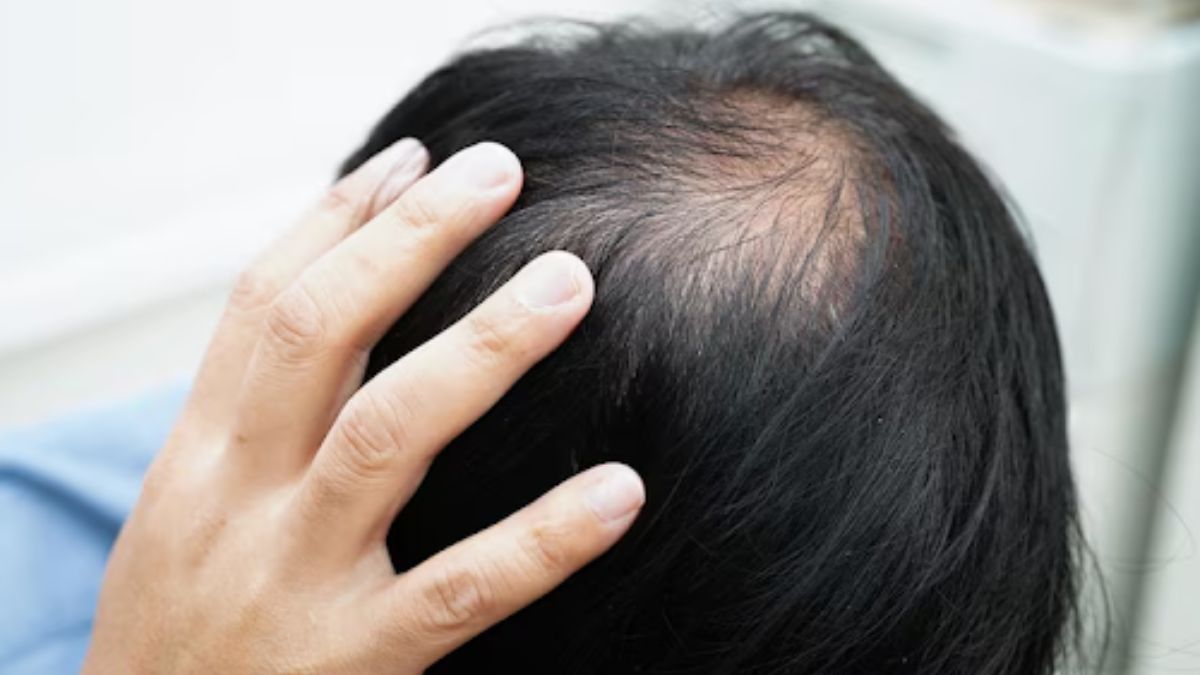
Choosing a hair loss treatment for men is a personal decision that requires thoughtful consideration of your goals, stage of hair loss, treatment options, and lifestyle. Starting with a professional assessment ensures you pursue the most suitable path for your situation.
Whether you opt for non-surgical solutions or a more permanent option such as a hair transplant for men, combining evidence-based treatments with realistic expectations and long-term commitment will provide the best chance for satisfying results. By approaching the decision wisely, you’re more likely to achieve outcomes that help restore confidence and enhance your appearance over time.
If you would like, I can also help explain how specific treatments compare or suggest questions to ask during a consultation. Just let me know!