Introduction
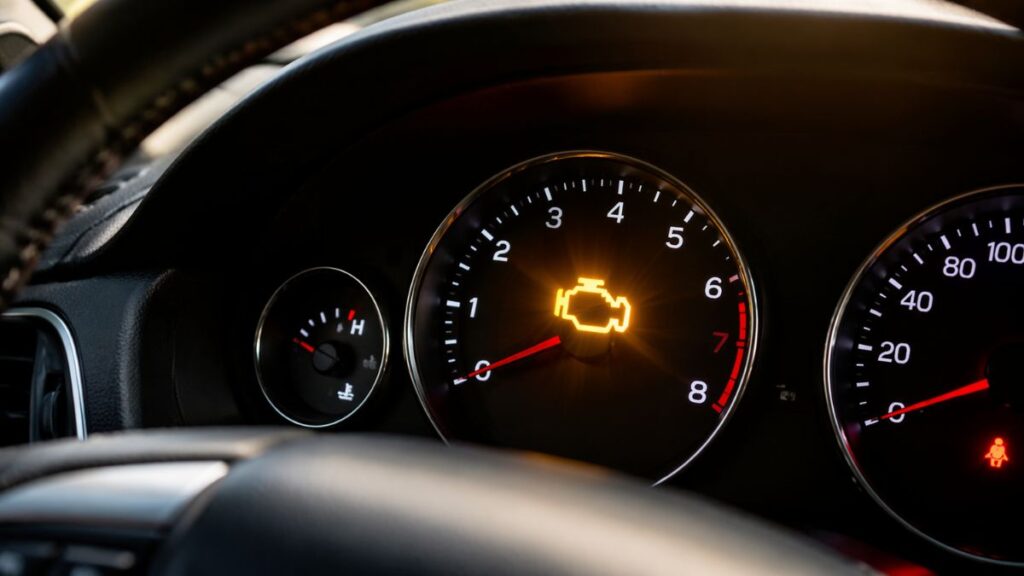
If you’ve ever seen the check engine light flashing on your dashboard, you know it’s not something to ignore. Unlike a steady light, a flashing one signals a more serious issue—often something that needs immediate attention. Many drivers panic in this situation, but understanding what it means can help you respond calmly and avoid costly damage.
In this guide, you’ll learn exactly why your check engine light is flashing, what risks are involved, and what steps you should take right away. Let’s break it down in simple terms.
What Does a Flashing Check Engine Light Mean?
A flashing check engine light typically indicates a severe engine misfire. This means one or more cylinders are not firing properly, which can lead to unburned fuel entering the exhaust system.
Why This Matters
- It can damage your catalytic converter
- It reduces engine performance
- It increases emissions
- It may lead to engine failure if ignored
👉 Quick Answer
A flashing check engine light means your engine is misfiring and requires immediate attention to prevent serious damage.
The Art of Begining: How to Kickstart Your Next Project
Common Causes of a Flashing Check Engine Light
1. Faulty Spark Plugs or Ignition Coils
These components ignite fuel in your engine. If they fail, combustion becomes uneven.
Symptoms:
- Rough idling
- Engine shaking
- Reduced power
2. Fuel System Issues
Problems with fuel injectors or fuel delivery can disrupt combustion.
Examples:
- Clogged injectors
- Low fuel pressure
3. Bad Catalytic Converter
A damaged catalytic converter can worsen misfires and cause overheating.
4. Vacuum Leaks
Air leaks in the engine can throw off the air-fuel mixture.
5. Sensor Failures
Sensors like the oxygen sensor or mass airflow sensor can send incorrect data.
Key Causes and Their Severity
| Cause | Severity Level | Immediate Risk | Repair Cost Estimate |
|---|---|---|---|
| Spark plug failure | Medium | Moderate | Low |
| Ignition coil failure | High | High | Medium |
| Fuel injector issue | High | High | Medium–High |
| Catalytic converter damage | Critical | Very High | High |
| Vacuum leak | Medium | Moderate | Low–Medium |
What Should You Do Immediately?
When your check engine light starts flashing, time matters.
Step-by-Step Action Plan
- Reduce Speed Immediately
Avoid accelerating hard. - Stop Driving if Possible
Pull over safely and turn off the engine. - Avoid Long Drives
Continuing to drive can cause severe damage. - Call a Mechanic or Roadside Assistance
Get professional help quickly. - Use an OBD-II Scanner (Optional)
This can give you a quick idea of the issue.
Driving vs Stopping: What’s Safe?
| Situation | Safe to Drive? | Recommended Action |
|---|---|---|
| Light is steady | Yes (short term) | Schedule inspection soon |
| Light is flashing | No | Stop immediately |
| Engine shaking or stalling | No | Turn off engine |
| Burning smell present | No | Call for towing |
Risks of Ignoring a Flashing Check Engine Light
Ignoring the warning can lead to serious consequences.
Major Risks Include:
- Catalytic converter failure (very expensive)
- Engine overheating
- Complete engine breakdown
- Higher repair costs later
In many cases, what starts as a minor issue can quickly turn into a major repair bill.
Practical Example
Imagine you’re driving on the highway and your check engine light starts flashing. You notice the car vibrating slightly.
If you continue driving:
- The misfire sends unburned fuel into the exhaust
- The catalytic converter overheats
- You end up needing a replacement costing hundreds or even thousands
If you stop early:
- You might only need new spark plugs
Pros and Cons of Immediate Action
Pros
- Prevents costly repairs
- Protects engine health
- Improves safety
- Saves fuel
Cons
- Temporary inconvenience
- Possible towing cost
- Repair expenses
Common Mistakes to Avoid
Many drivers make these errors when dealing with a flashing engine light:
- Ignoring the warning completely
- Continuing long-distance driving
- Assuming it’s a minor issue
- Delaying diagnostics
- Using low-quality fuel repeatedly
Avoiding these mistakes can save you both time and money.
Best Practices for Preventing Engine Issues
Regular Maintenance Tips
- Replace spark plugs on schedule
- Use high-quality fuel
- Keep up with oil changes
- Check engine sensors periodically
- Fix small issues before they escalate
Maintenance Checklist
| Task | Frequency | Importance Level |
|---|---|---|
| Spark plug replacement | Every 30,000–100,000 km | High |
| Oil change | Every 5,000–10,000 km | High |
| Fuel system cleaning | Every 20,000 km | Medium |
| Air filter replacement | Every 15,000 km | Medium |
| Diagnostic scan | Every 6–12 months | High |
When to See a Mechanic
You should seek professional help immediately if:
- The light is flashing continuously
- The car is shaking or losing power
- You hear unusual engine noises
- There is a burning smell
Delaying service can make things worse quickly.
Conclusion
A check engine light flashing is your car’s way of warning you about a serious problem—usually an engine misfire. While it might feel alarming, taking the right steps can prevent major damage and costly repairs.
Always remember:
👉 A flashing light means stop, assess, and act quickly.
By staying proactive and maintaining your vehicle regularly, you can avoid most of these issues and keep your car running smoothly.
FAQs
1. Can I drive with a flashing check engine light?
No, it’s unsafe. A flashing light indicates a serious issue that can damage your engine.
2. What is the most common cause of a flashing engine light?
Engine misfires caused by faulty spark plugs or ignition coils are the most common reason.
3. How much does it cost to fix a flashing check engine light?
Costs vary from low (spark plugs) to high (catalytic converter replacement).
4. Will the light stop flashing on its own?
Sometimes, but the underlying problem still exists and needs fixing.
5. Is a flashing check engine light an emergency?
Yes, it often requires immediate attention to prevent serious damage.